Last updated November 18, 2026








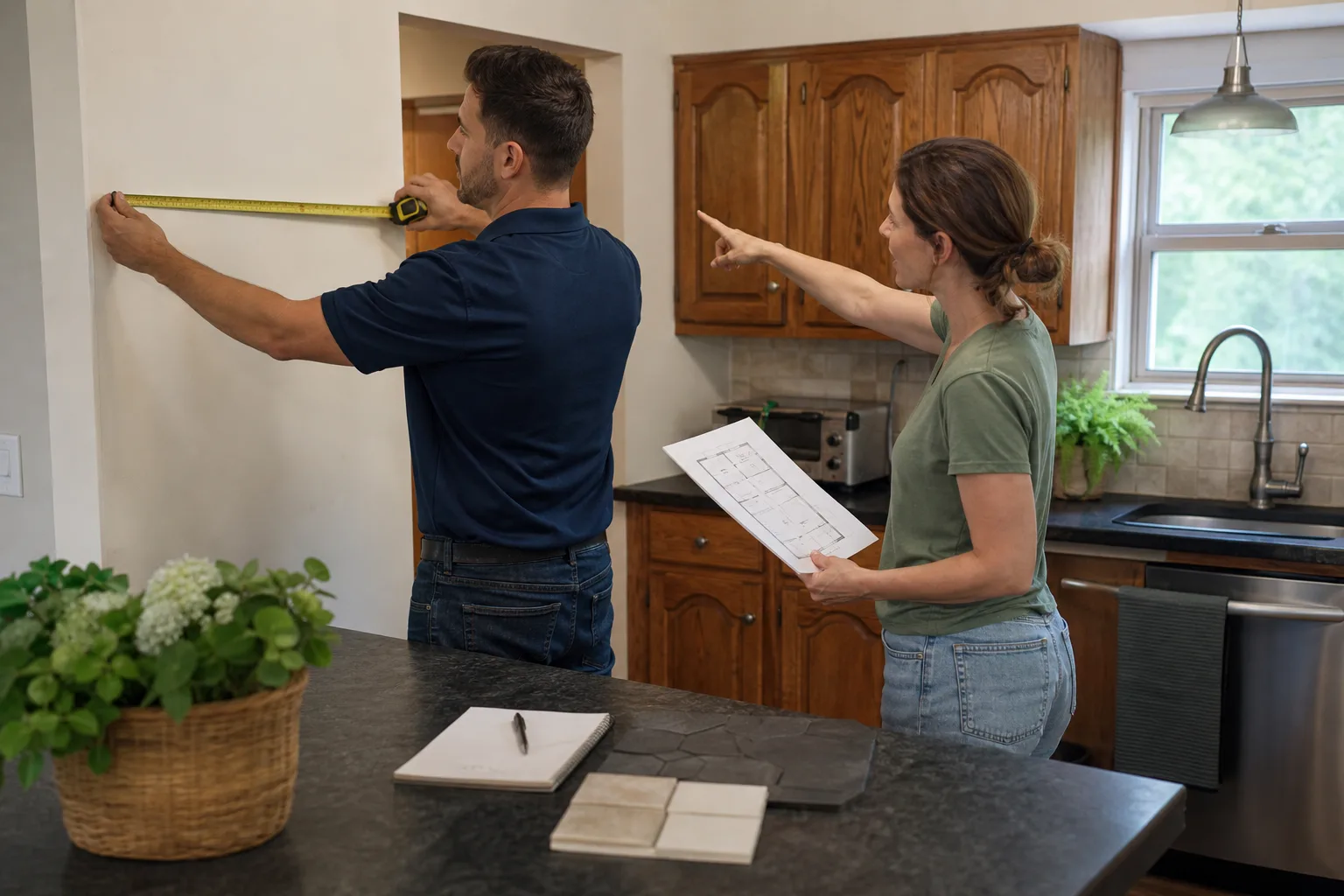
Free written scope consultation - allowances, timeline, and change-order rules on paper before a single trade is scheduled
General Contractor Maintenance Checklist for Mesquite Homeowners
Mesquite’s water hardness regularly exceeds 300 mg/L, roughly triple the EPA aesthetic guideline. That single number explains why a tub caulk line here can fail in eighteen months while the same product holds up for five years in a softer-water market. It also explains why a national maintenance calendar is close to useless in this valley. Most checklists you’ll find online assume a climate with moderate UV, neutral soil, and water that doesn’t leave a crust on every fixture. Mesquite has high UV, expansive alkali soil, and mineral-heavy water all at once, and each of those wears on a house differently. What follows is the checklist we actually work from: inspection intervals, what to look for, and the line between what you can check yourself and what needs a trained eye.
Quick Answer
A general contractor maintenance checklist for a Mesquite home should center on three local failure patterns: UV-driven exterior breakdown, soil expansion at the foundation perimeter tied to the wet/dry season cycle, and hard-water mineral damage at fixtures and waterproofing seams. Inspect the exterior twice a year, the foundation perimeter after every wet season, and water-exposed seams every six months. Anything involving structure, plumbing rough-in, or electrical should go to a licensed professional.
Styles & brands we work with
- Kitchen remodeling
- Bathroom remodeling
- Home additions & ADU
- Roofing
- Windows & doors
- Driveway & pavers
- Fence
Table of Contents
- UV-Driven Exterior Inspection Intervals
- Soil Expansion and Foundation Perimeter Checks
- Hard-Water Buildup at Penetrations, Fixtures, and Waterproofing Seams
- HVAC and Duct Integrity for a Long Cooling Season
- What Belongs in Writing vs. What You Can Self-Inspect
- A Year-Round Mesquite Maintenance Calendar
- Common Mistakes to Avoid
UV-Driven Exterior Inspection Intervals
Desert UV degrades exterior finishes two to three times faster than national averages. A stucco wall that gets a decade of life in a humid climate may show surface checking and hairline cracking here in four to five years. Painted wood trim on a south or west elevation is the first thing to go, often fading and chalking before the paint film actually breaks. Composite decking doesn’t rot the way wood does, but it does fade and chalk, and some boards show surface oxidation faster on the sun-facing side.
Here’s the inspection interval we recommend for a Mesquite home:
- Stucco and painted surfaces: walk the exterior twice a year, once in spring and once in early fall. Look for hairline cracks wider than a credit card, chalking you can wipe off with a finger, and any spot where the finish has pulled away from trim.
- Painted wood trim and fascia: inspect every six months on south and west elevations, annually on the shaded sides. Check the soffit (the underside of the roof overhang) for peeling, because that’s where moisture and sun meet.
- Composite decking: check yearly for fading, board cupping, and loose fasteners. Composite expands and contracts with heat, so fastener back-out is common.
- Caulk joints at windows and doors: press a fingernail into the bead. If it’s hard or pulling away, it needs replacing before the next monsoon window.
One detail most checklists skip: on a James Hardie fiber cement install, the factory finish is baked on and holds up well to UV, but the field-cut edges and any penetrations need proper sealing. If a homeowner or a prior contractor caulked over a factory finish without prepping it, that bead is the first thing to fail.
Soil Expansion and Foundation Perimeter Checks
Mesquite sits on alkali soils that swell when wet and shrink when dry. That wet/dry cycle is the real force at work on a slab, not frost heave or the freeze-thaw cycle a northern climate would create. When the soil under and around a foundation takes on water and then dries out, it moves. Over enough cycles, that movement shows up as stair-step cracks in block walls, cracks above door and window corners, and slabs that go slightly out of level.
In our experience, the perimeter check matters most right after the wet season, when soils have swollen and the ground is beginning to dry. Here’s what to check and when:
- Grade and drainage: the soil should slope away from the foundation at roughly a 6-inch drop over the first 10 feet. Standing water against the slab is the number one thing to correct.
- Cracks in the slab or block: hairline cracks are normal. Cracks wider than an eighth of an inch, or any crack that has grown between inspections, need a professional look.
- Doors and windows: if a door that used to close cleanly now sticks in one season and swings free in another, the frame is telling you the foundation is moving.
- Downspouts and swales: make sure roof runoff is discharging well away from the slab. In a market where rain comes in bursts, a downspout dumping at the foundation is a slow-motion problem.
This is one area where a Mesquite homeowner should not attempt a fix. Foundation repair, underpinning, and slab work are structural, and getting them wrong makes the problem worse and more expensive. If you’re seeing movement, that’s a call for a licensed general contractor or a structural engineer, not a weekend project.
Hard-Water Buildup at Penetrations, Fixtures, and Waterproofing Seams
That 300 mg/L hardness number has a physical cost. Calcium and magnesium in the water precipitate out as scale on every surface the water touches: faucet aerators, showerheads, the inside of the toilet tank, and the grout lines in your tile. Scale on a fixture is cosmetic. Scale at a waterproofing seam is a structural concern, because mineral crust breaking down the caulk line lets water past the barrier and into the substrate behind the tile.
The inspection points that matter most:
- Penetrations: the caulk and sealant around the shower valve, tub spout, and any pipe coming through a wall or floor. Scale builds up here and lifts the seal.
- Fixtures: aerators and showerheads will scale up and lose flow. Soak them in vinegar or replace them; a Kohler or Grohe fixture is built to last, but no fixture survives scale buildup forever.
- Waterproofing seams: the corners and joints in a shower surround, and the seam where the tub meets the wall. Press the caulk; if it’s hard, cracked, or pulling away, it’s time.
- Grout lines: grout is porous. In hard water, it absorbs minerals and starts to look cloudy and then crumbles. Re-sealing grout every year or two is cheap; replacing a shower pan is not.
We’ve seen the difference a water softener makes on the maintenance clock. It doesn’t eliminate the work, but it stretches the interval between caulk replacements considerably. If you’re remodeling a bathroom, it’s worth planning the fixture spec around a softener rather than fighting the water everywhere it lands.
HVAC and Duct Integrity for a Long Cooling Season
Mesquite’s cooling season is long and hard. An HVAC system here runs far more hours per year than the same unit in a milder climate, and that run time accelerates wear on the compressor, blower, and every joint in the duct system. A duct leak that would be a minor energy loss elsewhere is a real problem here, because the system is running so many more hours that the loss compounds. This connects to your general contractor in Mesquite work only when a remodel touches the ducts, but it belongs on the checklist either way.
What to check:
- Filter changes: monthly during heavy cooling months, not quarterly. A desert house loads a filter with dust fast.
- Duct joints and connections: look for separated tape, gaps at registers, and any joint that’s pulling apart. A flashlight and a mirror will get you into most of it.
- Condensate drain: clear it and check for standing water. In a dry climate, a clogged condensate line is an easy thing to miss and a common cause of water damage.
- Attic duct runs: the attic here gets brutally hot. Insulated duct in an attic is working in a punishing environment, and insulated flex duct is prone to sagging and kinking, which restricts airflow.
Have the system serviced by a licensed HVAC technician annually. Duct work that’s deteriorating inside a wall or above a ceiling is worth having documented, especially before a remodel opens anything up.
What Belongs in Writing vs. What You Can Self-Inspect
The line here is simple: anything structural, anything that involves opening a wall, and anything with a permit attached belongs to a licensed professional and should be documented in writing. Everything you can see and reach without tools is fair game for a homeowner walkthrough. The written record is what makes the difference between a repair you can trust and one you’re guessing about.
Here’s the split we work from:
- Written by the contractor: scope of work, the price before any work starts, what the guarantee covers and for how long, permit numbers and inspection results, and the materials specified. This is the backbone of The Garrison Standard: every price and every guarantee on paper before a tool comes out.
- Homeowner self-inspection: an annual walkthrough of exterior finishes, caulk condition, grade and drainage, filter condition, and any cracks you can see and measure.
- Professional inspection: foundation movement, roof condition, anything behind a finished surface, and any work that requires a permit.
A written line-item quote is also a maintenance tool, because it tells you what was replaced and when. When a tub surround fails five years later, you know whether the waterproofing was part of the original scope or whether it’s new work. Our bathroom remodeling in Mesquite projects always come with that written scope, and it doubles as your service records.
A Year-Round Mesquite Maintenance Calendar
The national calendar doesn’t translate cleanly here, because the wet season and the brutal heat season don’t line up with the standard spring/fall schedule. What follows is a Mesquite calendar, built around the local cycle.
- Spring (March – May): full exterior walkthrough. Check stucco, paint, caulk, and trim, especially south and west faces. Change the HVAC filter. Clear the condensate drain.
- Early summer (June): check the duct connections before the heavy cooling load. Test the grading and drainage ahead of the summer monsoon window.
- Late summer (August – September): post-monsoon foundation perimeter check. Look for new cracks, door and window sticking, and standing water against the slab.
- Fall (October – November): re-seal caulk at windows, doors, and waterproofing seams before the cooler, drier season. Inspect grout condition.
- Winter (December – February): the mild season is the window for planned remodeling, when we’re not fighting heat on exterior work. Interior projects fit here, from a kitchen to a whole-home update.
If you’re planning a bigger project, the kitchen remodeling in Mesquite work often lands in the winter window for this reason. It’s easier on the crew and on your schedule to open up walls when the cooling load is low.
Common Mistakes to Avoid
- Following a national checklist to the letter. A spring/fall schedule built for a four-season climate misses the wet/dry cycle that actually matters here. Time your checks to Mesquite’s cycle, not a template.
- Ignoring caulk because it “looks fine.” In hard water, caulk can be hard and unseated before it visibly cracks. The press test catches it early.
- Treating a foundation crack as cosmetic. Hairline is normal; growing or wide is not. Have it looked at before a small issue turns into a structural one.
- Waiting for the HVAC to fail before checking ducts. Duct problems show up as energy loss and uneven cooling long before the compressor dies. Check the joints each spring.
- Letting grade erosion go unaddressed. Soil sloping toward the slab is a slow leak into your foundation, and in a market with big rain bursts, it’s the fastest way to move a foundation.
- Skipping the written scope. A verbal agreement on what was replaced is worth nothing when the work fails. Ask for the written scope and guarantee on every project, and keep it.
- Patching exterior cracks without finding the cause. A crack over a window may be a paint problem or a foundation problem. Seal it once you know which, not before.
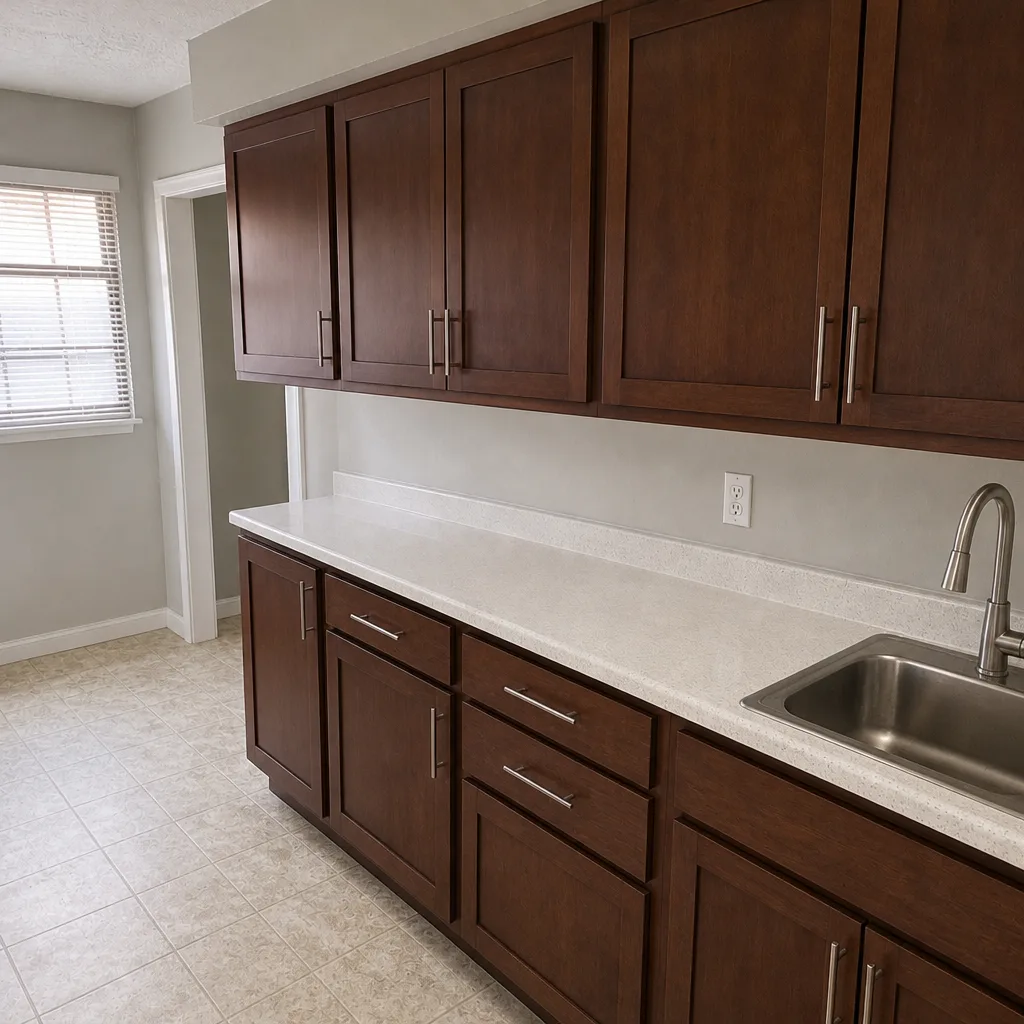
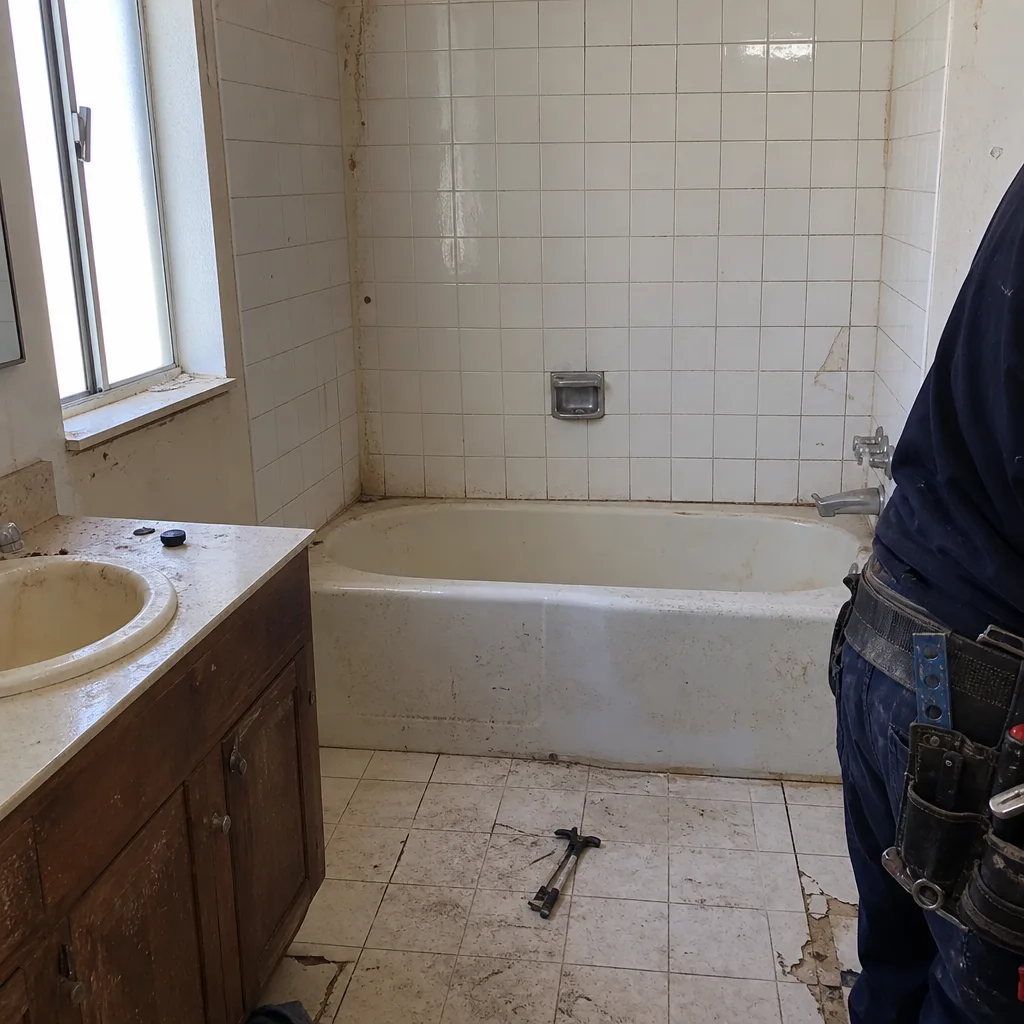
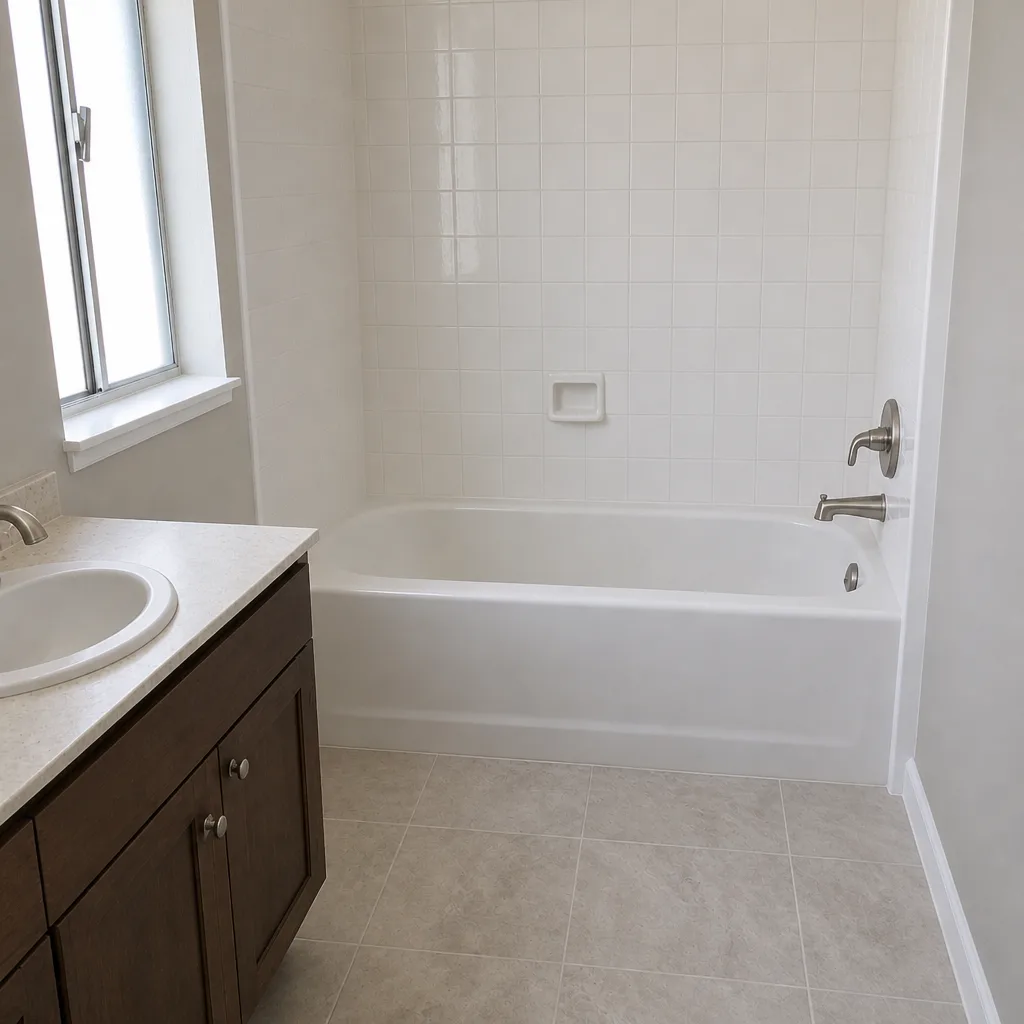
See the difference
 Before
 After
 Before
 After
 Before
 After
When to Call a Professional

Get a licensed general contractor involved for any of the following: foundation cracks wider than an eighth of an inch, a door or window that no longer sits square in its frame, water intrusion at a roofline or around a window, duct work you can’t inspect safely, or any remodel that requires a permit. These are the cases where a wrong call costs far more than a professional look. Get an electrician for panel or wiring work, and a licensed HVAC technician for anything inside the system itself.
Bradford Remodeling Mesquite offers free estimates in Mesquite. Every price is written before any work starts, and every completed project carries the 365-Day Done Right Promise, which means if the repair or remodel fails within a year, we come back and correct it at no charge. Our technicians have up to 22 years of experience, and a live person answers the phone 24/7. Call (844) 761-8665 to schedule your free estimate.
Frequently Asked Questions
Twice a year at minimum, with the timing tied to Mesquite’s wet/dry cycle: one full exterior walkthrough in spring, and a foundation perimeter check in late summer after the wet season. Add a quick caulk and grout press test every six months on water-exposed seams, and change your HVAC filter monthly during cooling season. A yearly professional inspection rounds it out.
Hard water and high UV. Mesquite water regularly runs over 300 mg/L hardness, which is roughly triple the EPA aesthetic guideline, so minerals build up at every seam and break down the caulk film. Add heavy UV exposure, and the bead hardens and pulls away years earlier than it would elsewhere. Call (844) 761-8665 for an exact quote on re-sealing, and estimates are free.
You can check for the visible signs: cracks you can measure, doors that stick in one season and not another, and grade that slopes toward the slab. You cannot diagnose or fix foundation movement yourself, and you shouldn’t try. Foundation repair is structural work that needs a licensed contractor. If you see movement signs, get a professional look before planning anything around it.
Filters, duct joints, and the condensate drain. In a Mesquite home the system runs far more hours per year than most, so duct leaks compound quickly. Check register connections and any tape that’s peeling each spring, clear the condensate drain, and have a licensed HVAC technician service the system annually. If a remodel is opening up a wall or ceiling, have the duct runs documented while they’re accessible.
One full year. Every completed project carries the 365-Day Done Right Promise, a written guarantee that if the work fails within that window, we return and correct it at no charge. That covers everything from a repair to a full remodel. The guarantee is written and handed to you at project close, alongside the documented scope. Call (844) 761-8665 to talk through a specific project.
Not for painting, caulking, or re-sealing seams. You do need a permit for anything structural: foundation repairs, roof replacement, re-roofing, and remodels that open walls or move plumbing or electrical. A licensed contractor pulls the permit and documents the inspection. Never let work proceed without the permit in hand, and never accept a verbal scope. Call (844) 761-8665 if you’re unsure what your project requires.
The Bottom Line
Mesquite’s maintenance calendar isn’t the national one. Your house fights UV that runs two to three times faster than the national average, soil that swells and shrinks around the foundation, and hard water that ages caulk and grout on a compressed clock. The checklist that keeps a house here squared away is built around those three forces, timed to the wet/dry cycle, and backed by written records. Inspect the exterior twice a year, check the foundation perimeter after the wet season, press-test your caulk and grout every six months, and keep every scope and guarantee on paper. Everything structural goes to a licensed professional. Our technicians, with up to 22 years of experience, are ready to walk through your property and put a written price in front of you. Bradford Remodeling Mesquite offers free estimates, and a live person matches your call at (844) 761-8665. Visit the Bradford Remodeling Mesquite home to see the full range of services.
Written by the team at Bradford Remodeling Mesquite.