
Last updated November 18, 2026








Free written scope consultation - allowances, timeline, and change-order rules on paper before a single trade is scheduled
General Contractor Troubleshooting: Common Problems and How to Fix Them
A cracked floor tile and a missed deadline look like the same kind of problem. They almost never are. In our experience working Mesquite jobs, the cracked tile usually traces back to a material or installation defect, and the missed deadline traces back to a scope document that never defined the word “complete.” One is a tools problem. The other is a paper problem. The fix, the responsible party, and your leverage are completely different in each case, and homeowners who misdiagnose the category waste weeks calling the wrong people.
This guide teaches you to sort your problem into the right bucket first, then act. You’ll learn how to tell a workmanship defect from a design error from a material failure, what paper trail you need before you can hold anyone accountable, what “substantial completion” means in Nevada, how to document a problem so it holds up in a contractor board complaint or small claims filing, and when to call the Nevada State Contractors Board versus when to work your contract’s dispute clause first. If you’re in Mesquite and your project has gone sideways, this is the order to think in.
Quick Answer
Most general contractor problems are contract problems wearing a construction costume. Before you call anyone, identify whether you’re dealing with a workmanship defect, a design error, or a material failure, because each has a different responsible party. Then check your written scope and written guarantee. If the scope never defined “complete” or the guarantee was verbal, your leverage is limited no matter how obvious the defect looks.
Styles & brands we work with
- Kitchen remodeling
- Bathroom remodeling
- Home additions & ADU
- Roofing
- Windows & doors
- Driveway & pavers
- Fence
Table of Contents
- Step One: Diagnose the Category Before You Call Anyone
- Workmanship Defect vs. Design Error vs. Material Failure
- The Paper Trail You Need Before You Can Hold a GC Accountable
- What “Substantial Completion” Means in Nevada
- How to Document an Ongoing Problem Correctly
- Nevada State Contractors Board vs. Your Contract’s Dispute Clause
- Mesquite-Specific Problems We See Again and Again
Step One: Diagnose the Category Before You Call Anyone
The single most useful thing you can do when a project goes wrong is stop and classify the problem. Homeowners who skip this step tend to call the contractor and describe a symptom (“the tile is cracked,” “the door sticks,” “the paint is peeling”) and then accept whatever explanation they’re given. Homeowners who classify first arrive with a question the contractor has to answer specifically.
Here’s the classification we walk people through. Work through it in order:
- Did the problem appear in a location the plans or scope specifically addressed? If yes, the failure is most likely workmanship or material.
- Did the problem appear in a location the scope never mentioned at all? That points to a design or scope error, and the responsible party is whoever wrote (or failed to write) the scope.
- Is the failure consistent across every unit of the same product, or isolated? Consistent failure across every installed unit usually points to a material defect or a bad batch. Isolated failure points to installation.
- Did the failure appear within days, or within months? Immediate failures are usually installation. Failures that show up after a season change often trace to material movement, moisture, or a detail that didn’t account for local conditions.
In Mesquite, that fourth question matters more than it does in most markets. The swing between a 110-degree July and a cold desert January moves substrates, caulk lines, and exterior trim in ways that a detail copied from a wetter climate won’t survive. A hairline crack that opens in August and closes in December is telling you something about movement, not about the tile itself.
None of this requires tools or expertise. It requires you to read your scope document with a highlighter and match what failed against what was written. That’s the whole diagnostic. Once you know the category, everything downstream gets easier.
Workmanship Defect vs. Design Error vs. Material Failure
These three get lumped together constantly, and the confusion costs homeowners real money because they pursue the wrong party. Here’s how to separate them.
Workmanship defect
A workmanship defect is an installation that didn’t follow the manufacturer’s spec or the industry standard. The responsible party is the installer. Examples: a shower pan that wasn’t sloped to the drain, backer board installed without the specified fastening pattern, a door hung out of plumb. The giveaway is that the materials were fine and the plan was fine, but the execution wasn’t. Documentation wins these: manufacturer installation instructions, photos of the failed assembly, and the date of installation.
Design error
A design error is a scope or plan that specified something that can’t perform. The responsible party is whoever wrote the design, which is sometimes the contractor and sometimes a separate designer. Examples: a flat exterior landing detail in a climate where water pools, a cabinet run that blocks a required outlet spacing, a tile layout that puts a seam directly over a structural joint. The giveaway is that the installation followed the plan exactly and still failed. This is the category homeowners most often miss, because the work looks “done right” against the drawing while the drawing itself was wrong.
Material failure
A material failure is a product that didn’t perform to its own specification. The responsible party is usually the manufacturer under warranty, sometimes the supplier. The giveaway is consistent failure across the whole batch, or a product that failed in a way the spec says it shouldn’t. Warranty claims live or die on whether the product was installed to the manufacturer’s instructions, which is why workmanship and material failures so often overlap in the same complaint.
The practical upshot: before you accuse anyone, match the failure to the category. If you can’t tell, that’s exactly the moment to have someone look at it in person rather than guess over the phone. A general contractor in Mesquite can usually classify a failure in a walkthrough and tell you which party carries the responsibility.
The Paper Trail You Need Before You Can Hold a GC Accountable
Here’s the hard truth about contractor disputes: a verbal promise is nearly worthless, and a written guarantee is the only thing that gives you a lever. The difference between “the contractor said they’d fix it” and “the contractor guaranteed it in writing for a stated period” is the difference between a frustrating phone call and an enforceable obligation.
What belongs in a written guarantee, at minimum:
- The exact scope covered. Which work, which materials, which rooms. “The kitchen remodel” is too vague to enforce. “The tile installation in the kitchen and backsplash” is enforceable.
- The duration. A year is the gold standard because it covers a full seasonal cycle, which in Mesquite means the summer heat expansion and the winter contraction both get tested.
- What “make it right” means. Repair? Replace? Who pays for materials? A guarantee that doesn’t say is a guarantee that gets argued about.
- How to invoke it. A phone number, a process, a deadline for response.
- Exclusions. What’s not covered, so there are no surprises when you call.
Our 365-Day Done Right Promise is written into every project for exactly this reason. If the work fails within that year, we come back and correct it at no charge, and the terms are in your hand before a tool comes out, not recited to you after something goes wrong. That’s the Garrison Standard applied to a single guarantee: the promise is on paper, the duration is stated, and the remedy is defined.
If you’re evaluating a contractor right now, ask to see the guarantee document before you sign anything. A contractor who hesitates to put the guarantee in writing is telling you something important.
What “Substantial Completion” Means in Nevada
“Substantial completion” is the legal phrase for the point at which the work is complete enough that the owner can use it for its intended purpose, even if a punch list remains. It’s a real term in Nevada construction practice, and it matters enormously when a project stalls, because the moment of substantial completion often triggers payment obligations, warranty start dates, and the clock on certain legal remedies.
Why homeowners should care: a contractor who stops work at 95% and calls it “basically done” is making a substantial completion argument, whether or not they use the term. If your contract doesn’t define what substantial completion requires, you can end up in a standoff where the contractor claims they’re finished and you claim they’re not, with no written standard to resolve it.
What to demand in the contract so this never happens to you:
- A written punch list process. Who creates the list, how items are added, and a deadline for the contractor to clear it.
- A definition of completion. “Substantial completion occurs when all work in the scope is installed, all inspections passed, and the punch list is cleared” is a definition you can hold someone to.
- Final payment tied to completion, not to a calendar date. The last draw should release when the punch list is done, not when the contractor says they’re done.
- Warranty start date tied to substantial completion in writing. Your 365-day window should start on a documented date, not a verbal one.
If work in your Mesquite home has stopped short, the first question is whether the contractor can credibly claim substantial completion under the contract’s own language. If the contract doesn’t define it, that gap is itself the problem, and it’s a paper problem.
How to Document an Ongoing Problem Correctly
Documentation is where most homeowners lose disputes they should win. The instinct is to take a few phone photos and send a text. That’s a start, and it’s not enough. Documentation that actually works in a contractor board complaint or a small claims filing follows a discipline.
Here’s the method we recommend, in order:
- Write a dated, factual timeline. Plain sentences. “March 3: tile installed in hall bath. March 14: first crack noticed near the drain. March 15: texted the project contact with photos.” No adjectives, no editorializing, just dates and events. This becomes the spine of everything else.
- Photograph with scale and context. A close-up of a crack is useless without a wider shot showing where it sits in the room. Include something for scale (a coin, a tape measure). Take the same photo every few weeks to show progression.
- Communicate in writing, always. Email or text, not phone calls. After any phone conversation, send a short summary email: “Following up on our call today, you confirmed X and said you’d Y by [date].” That converts a verbal exchange into a written record.
- Keep every document in one place. Contract, change orders, receipts, warranty documents, photos, the timeline, correspondence. A folder or a cloud directory, organized by date.
- Get an independent assessment before you escalate. A second contractor’s written opinion on the cause carries far more weight than your own diagnosis, especially when the category is disputed.
One note specific to our corner of Nevada: Mesquite’s dry climate and temperature swings create movement that produces failures a lot of documentation misses because the homeowner only photographs the symptom. Photograph the assembly. If a tile cracks, photograph the substrate beneath it once it’s exposed. The cause lives in the layers, not the surface.
Nevada State Contractors Board vs. Your Contract’s Dispute Clause
When a problem can’t be resolved directly, homeowners face a fork in the road: file a complaint with the Nevada State Contractors Board, or work the dispute clause in the contract first. Choosing wrong costs time and can complicate the other path.
The general rule: read your contract’s dispute clause first. Many contracts specify a process (mediation, a notice period, a written demand) that must be followed before certain remedies. If you skip it, you can find yourself arguing about procedure instead of the actual defect.
When the Contractors Board is the right path:
- The contractor is licensed and the work falls under their license, and you have a documented defect.
- The contractor has stopped communicating or abandoned the work.
- You suspect unlicensed activity or a licensing violation.
- The dollar amount and nature of the defect fit the Board’s complaint process.
When to work the contract’s dispute clause first:
- Your contract spells out a notice-and-cure process, and the contractor is still responsive.
- The issue is a scope disagreement rather than a defect, where the contract language is the deciding factor.
- You want to preserve the relationship and get the work finished rather than escalate.
The practical sequence most homeowners get right: document thoroughly, send a written demand citing the contract’s own language, give a reasonable cure period, and only then escalate. If you’re in Mesquite and not sure which path applies to your situation, the Board’s complaint process and your contract’s dispute clause are both worth reading closely before you pick one. A written walkthrough with an experienced contractor can also clarify whether you even have a valid defect claim before you spend the effort.
Mesquite-Specific Problems We See Again and Again
Some patterns show up over and over in this market, and knowing them helps you diagnose faster.
Exterior trim and caulk failures after the first summer. Our heat drives expansion that a weather-sealed joint from a cooler climate won’t absorb. When a homeowner calls about peeling paint or a gap opening at a window in Mesquite, it’s usually a workmanship question about joint detail, not the paint itself.
Stucco cracks that reopen. A crack that was patched and came back within a year is a diagnostic signal. It means the underlying movement wasn’t addressed, and re-patching without fixing the detail is a cycle that repeats. We’ve seen this in Mesquite neighborhoods where the same detail was used across every home on the street.
Prefab and modular build questions. With more homeowners in the region exploring prefab options from manufacturers like Dvele, Mighty Buildings, Boxabl, and Plant Prefab, we get asked how those integrate with on-site work. The troubleshooting principle stays the same: separate what the factory warranted from what the site installer warranted, and get both in writing. The scope boundary between them is where problems hide.
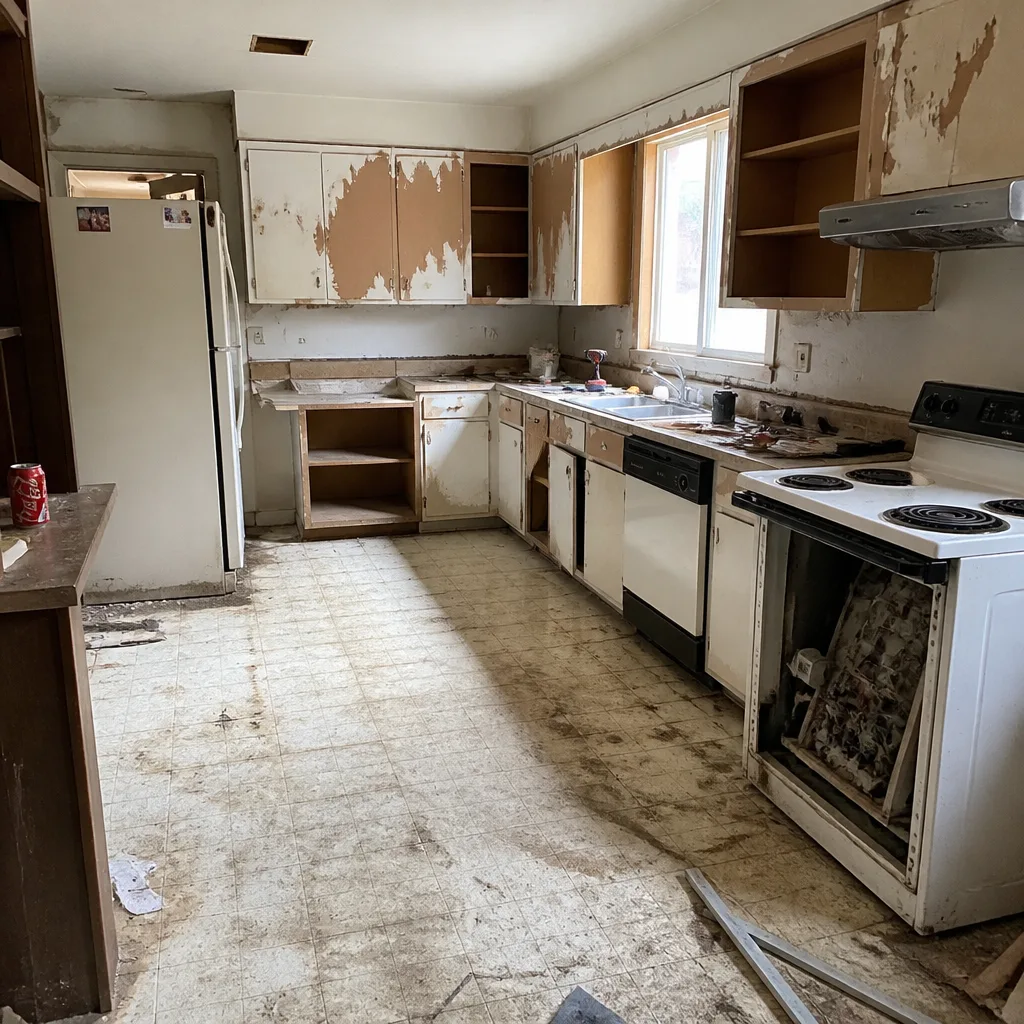
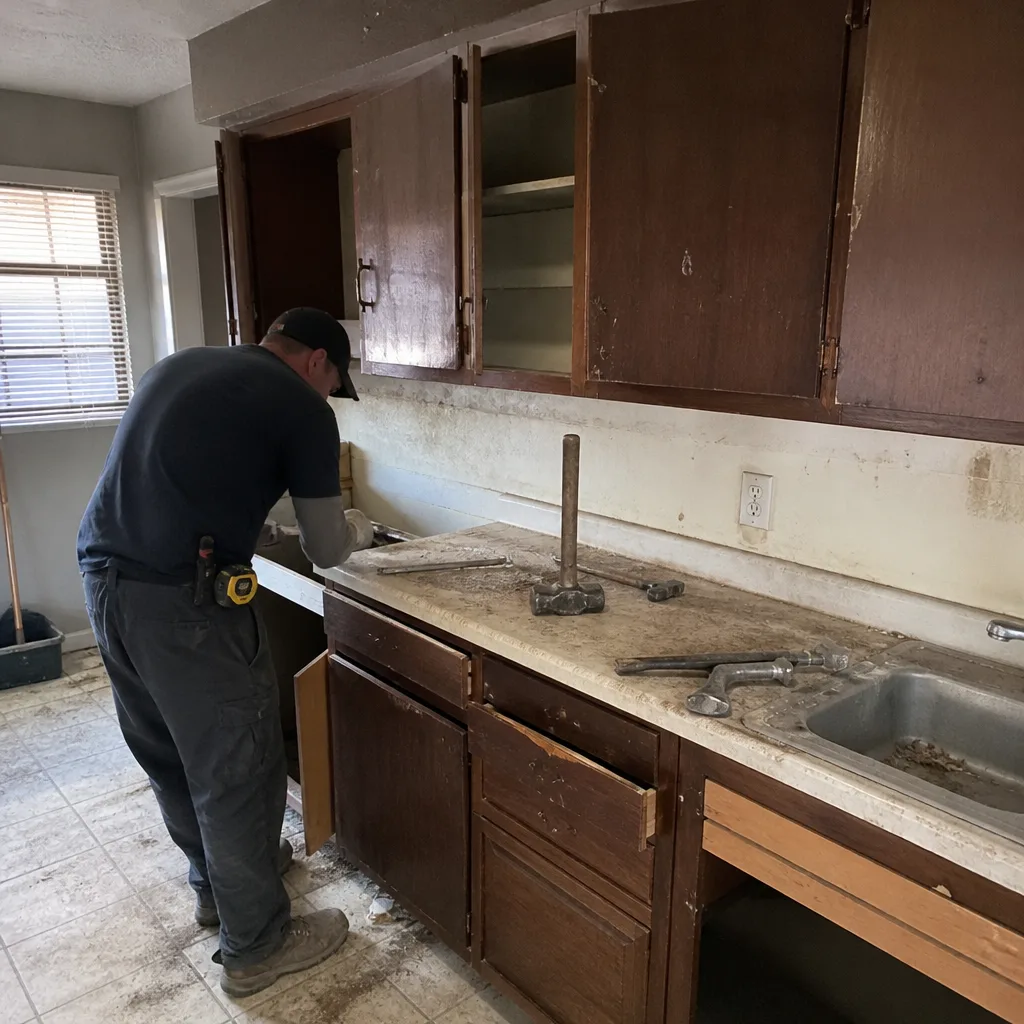
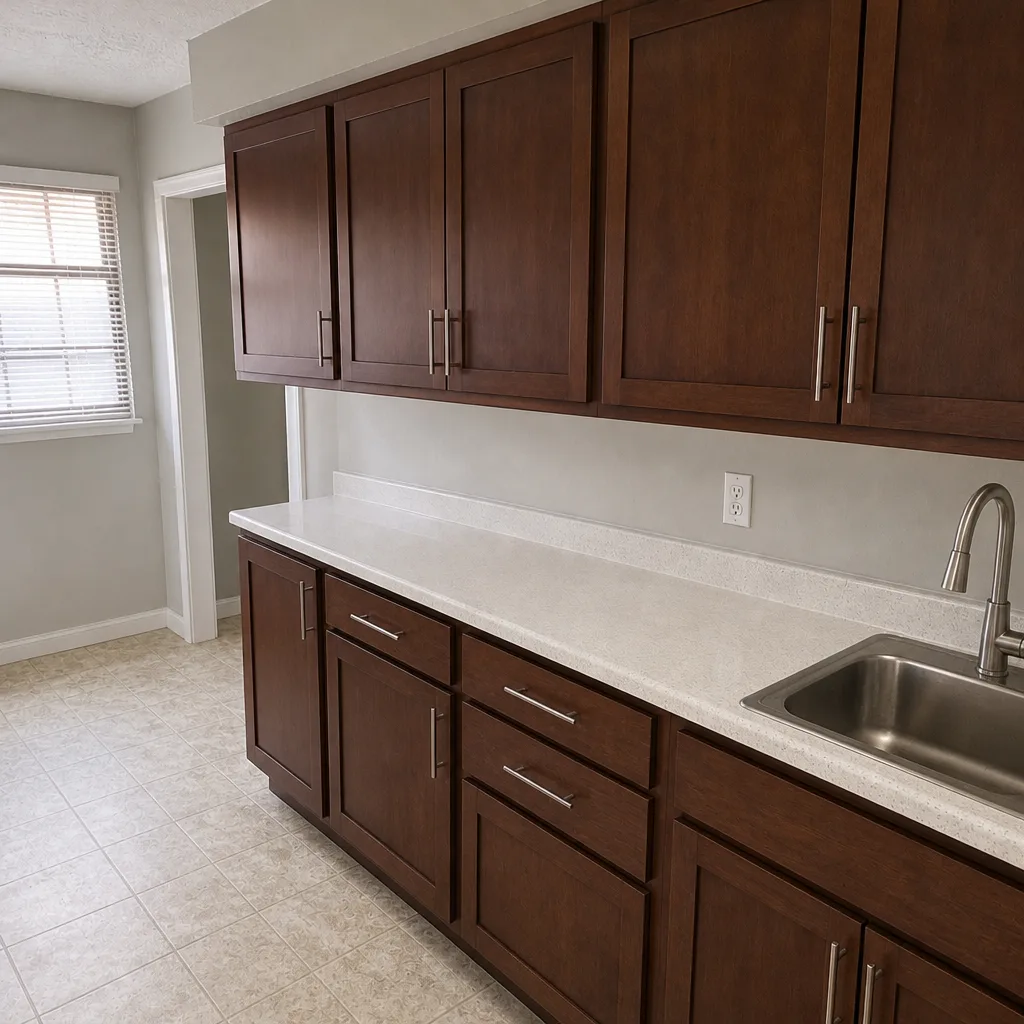
Remodel schedules that slip because the scope was thin. A kitchen remodeling in Mesquite project that “takes way longer than promised” almost always traces to a scope that left out cabinet lead times, inspection scheduling, or finish decisions. The schedule didn’t fail. The scope did. A bathroom remodeling in Mesquite project runs into the same trap around tile and waterproofing sequencing. For a bigger picture of how a full scope should be written, look at our Bradford Remodeling Mesquite home page and the way we document scope before work starts.
Common Mistakes to Avoid
- Accepting a verbal guarantee. “We’ll take care of it” is not a guarantee. If it isn’t written with a duration and a remedy, you have nothing to enforce. Ask for it in writing before work begins.
- Calling the contractor before you’ve read the contract. The first call sets the tone. Homeowners who’ve read their scope and guarantee arrive with specific questions and get specific answers. Homeowners who haven’t get vague reassurances.
- Reporting symptoms instead of causes. “The tile cracked” invites a guess. “The tile cracked along the seam where the substrate wasn’t fastened per the manufacturer’s spec” invites a specific response.
- Skipping the written summary after phone calls. A phone conversation you didn’t confirm in writing essentially didn’t happen. Send a short follow-up email within a day.
- Mixing up categories when you escalate. Filing a Contractor Board complaint about a design error, or a material warranty claim about an installation defect, wastes months. Classify first.
- Letting a defect sit through a full season. In Mesquite’s climate, small movement failures grow. Document and report the issue promptly, within the guarantee window, so the evidence is fresh and the obligation is clearly live.
- Choosing a contractor on price alone. The lowest bid is often the thinnest scope, and the thin scope is what becomes the next problem you’re troubleshooting. A written price with a defined scope is the only comparison that means anything.
See the difference
 Before
 After
 Before
 After
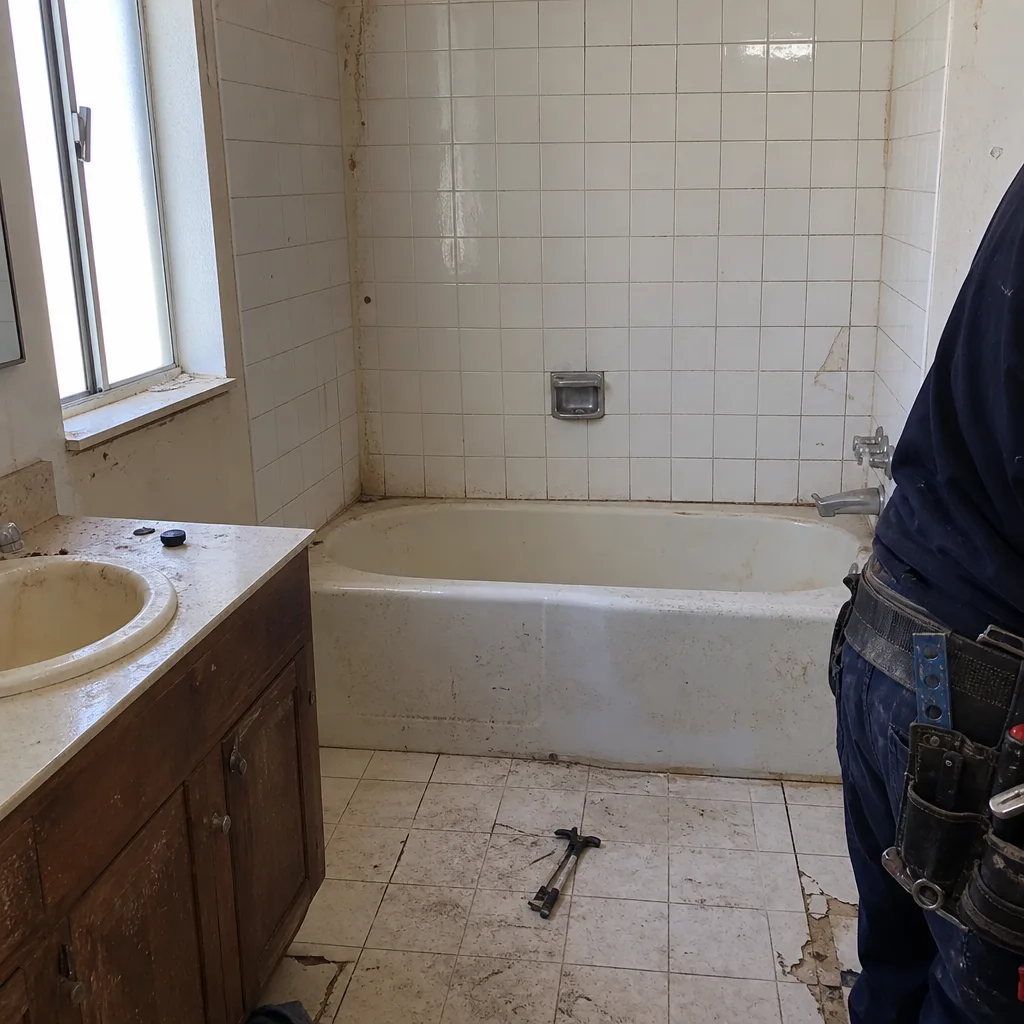 Before
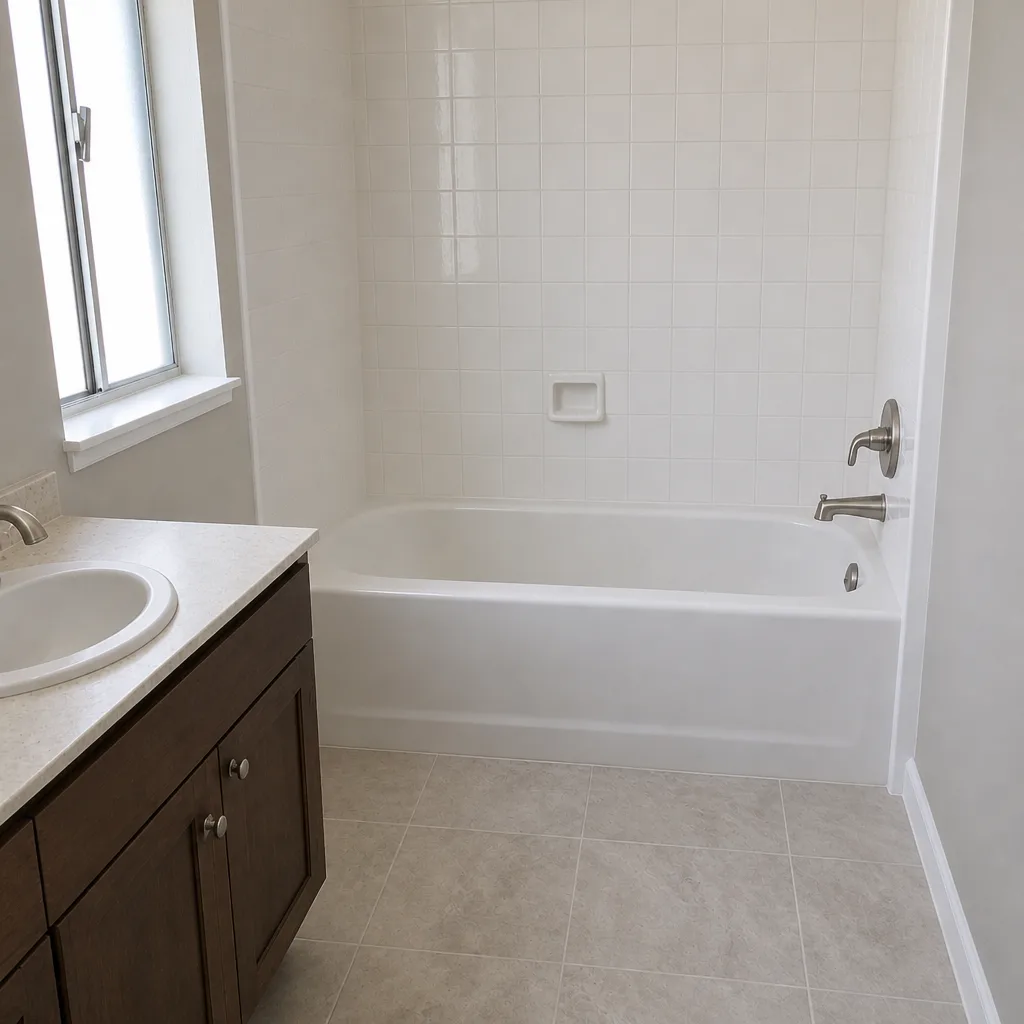 After
When to Call a Professional
Call a professional when you can’t confidently classify the problem, when the defect is structural or affects waterproofing, or when the work involves anything behind a wall or under a floor that you can’t see. Call when the contractor has stopped responding and you need an independent written assessment before you escalate. Call when a failure has reappeared after a repair, because recurring failures are a detail problem, not a one-time fix. And call before you sign a new contract for remediation, because the terms of that contract are the trap most homeowners fall into twice.
Bradford Remodeling Mesquite offers free estimates in Mesquite. Every price is written before work begins, every project carries the 365-Day Done Right Promise in writing, and a live person answers the phone around the clock. Call (844) 761-8665 to schedule your free estimate.
Frequently Asked Questions

A defect fails to meet a written standard, like a manufacturer’s installation spec or a code requirement, while “not what I expected” is a gap between the work and what you imagined. The test is to compare the work against the written scope and the manufacturer’s instructions, not against your mental picture. If it meets the spec, it isn’t a defect; if it deviates from the spec in a way that causes the failure, it is. Call (844) 761-8665 for a free assessment if you’re unsure which side of that line you’re on.
It covers our completed work for a full year from the documented completion date: if the work fails within that window, we return and correct it at no charge. The scope, duration, and remedy are written into your project documents before work starts, so there’s no ambiguity when you invoke it. It’s the warranty piece of the Garrison Standard, and it applies to every project we complete.
Read your contract’s dispute clause first, then decide; many contracts require a written notice and a cure period before other remedies, and skipping that step can complicate a Board complaint. If the contractor is unresponsive, has abandoned the work, or you suspect a licensing violation, the Board is the right path. If the contractor is still communicating and the issue is a scope or defect disagreement, try the written demand and cure period first. Call (844) 761-8665 for a free estimate if you need an independent assessment of the defect before you decide.
You need a dated timeline of events, photos that show both close-ups and wider context with scale, every written communication saved, and an independent written assessment of the cause. The key discipline is converting verbal conversations into written summaries the same day, and photographing the assembly beneath a failure, not just the surface. A single organized file with the contract, change orders, photos, correspondence, and the timeline is what an adjudicator can actually work from.
A kitchen or bathroom remodel typically takes several weeks to a few months depending on scope, and the most common causes of delay are a scope that omitted lead times for cabinets or finishes, inspection scheduling, and undecided finish selections, not construction itself. A written schedule tied to the written scope is what keeps a Mesquite project on track. Call (844) 761-8665 for a free estimate with a written scope and schedule before you commit.
It shouldn’t, and with us it doesn’t: we give a written price before any work starts, and the numbers don’t move at the door. Change orders for work outside the written scope, or for conditions discovered after demolition, are the legitimate reasons a price changes, and they’re written and signed before the work proceeds. If your current contractor’s price is moving without a written change order, that’s a paper problem, not a tools problem. Call (844) 761-8665 for a free estimate with a written, fixed price.
The Bottom Line
Nearly every contractor problem you’ll face falls into one of two buckets: a tools problem or a paper problem, and the paper problem is the one that costs homeowners the most. Classify the failure first (workmanship, design, or material), check the written scope and the written guarantee, document like the dispute is coming, and only then decide whether to invoke your contract’s dispute clause or the Nevada State Contractors Board. The contractors worth hiring make this easy by putting the price, the scope, and the guarantee in writing before a tool comes out. That’s the Garrison Standard, and it’s how we run every project in Mesquite. The technicians we work with bring up to 22 years of experience to each classification call. Call (844) 761-8665 to schedule your free estimate.
Written by the team at Bradford Remodeling Mesquite.