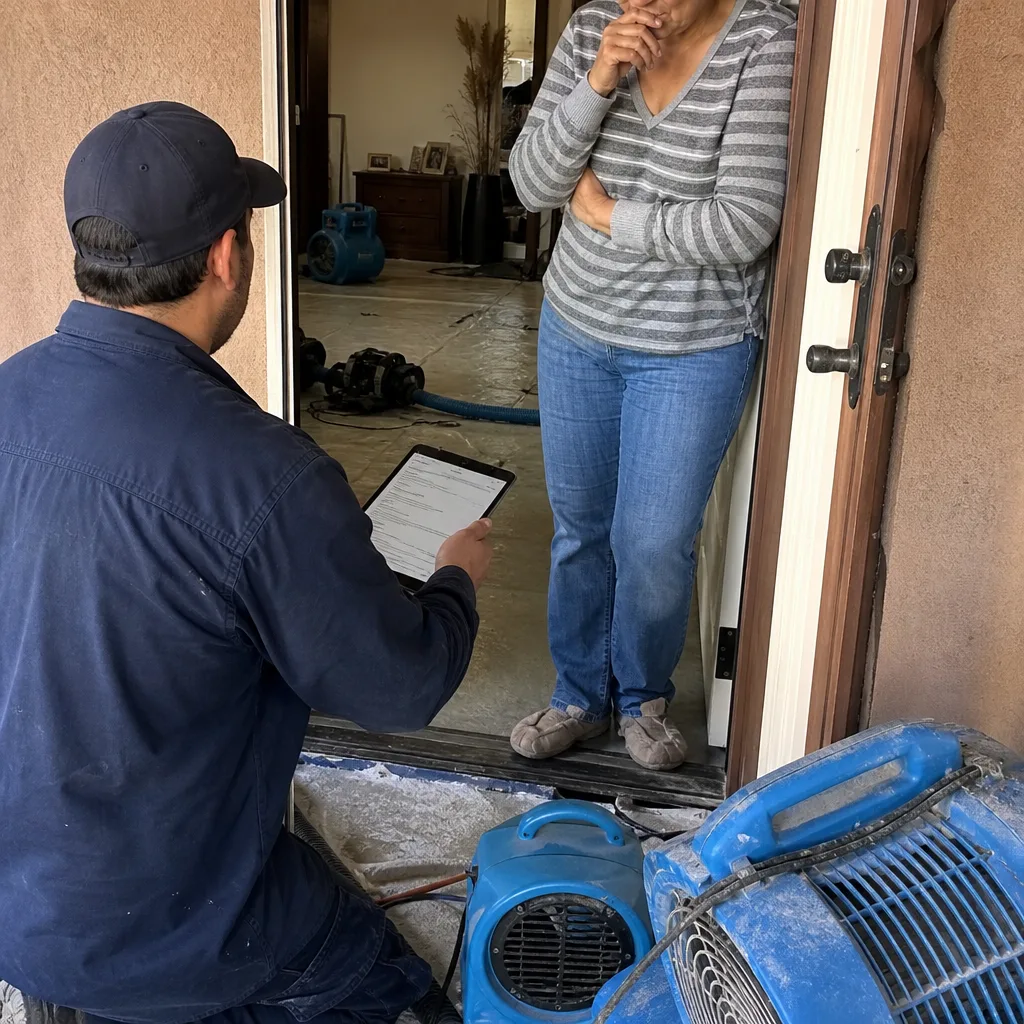
Last updated November 18, 2026







Free written scope consultation - allowances, timeline, and change-order rules on paper before a single trade is scheduled
Construction Emergency Preparedness Guide for Mesquite Homes
When water gets into a Mesquite home during monsoon season, the drywall can begin showing mold colonization in 48 to 72 hours. But the mitigation decisions you make in the first six hours determine whether your insurance carrier treats it as a covered sudden event or a maintenance failure. That gap between six hours and three days is where most Mesquite homeowners lose money. Between the Virgin River flash floods, the triple-digit July heat that turns an HVAC outage into a structural humidity problem, and the high-wind events that peel stucco off frame construction, this city tests your preparation in specific ways. This guide walks through what to plan for, what to document, and how to authorize emergency work without getting taken.
Quick Answer
Construction emergency preparedness in Mesquite means knowing four things before an event happens: where your water, gas, and electrical shutoffs are, what your insurance policy covers as “sudden and accidental” versus “maintenance,” how to photograph and document damage before anyone touches it, and what a written contractor authorization should contain. The first six hours after a water or wind event decide whether your claim is processed cleanly. The first 72 hours decide whether mold becomes a permanent problem.
Styles & brands we work with
- Kitchen remodeling
- Bathroom remodeling
- Home additions & ADU
- Roofing
- Windows & doors
- Driveway & pavers
- Fence
Table of Contents
- The Four Emergencies Mesquite Homes Actually Face
- How to Find and Shut Off Water, Gas, and Electrical Mains in a Mesquite Home
- What to Document and Preserve Before Any Mitigation Work Begins
- Emergency Mitigation vs. Permanent Repair: The Distinction That Changes Who You Call First
- What a Written Emergency Contractor Authorization Should Contain
- The First 72 Hours: A Step-by-Step Response Sequence
- Annual Preparedness Checklist for Mesquite Homeowners
- When to Call a Professional
The Four Emergencies Mesquite Homes Actually Face
Generic emergency guides for homeowners list tornadoes, hurricanes, and blizzards. Mesquite doesn’t have those. What it does have is a specific set of recurring threats that follow the local climate and construction patterns. In our experience working on Mesquite homes, these four account for nearly every emergency call we take.
1. Monsoon Water Intrusion
Mesquite’s monsoon window runs roughly July through September. These storms deliver intense rain in short windows, and the water finds the weak points: window flashings, stucco cracks, roof penetrations, and the transition between the roof and the stucco wall. Because much of the local housing stock uses stucco over wood frame, water that gets behind the stucco has nowhere to drain. It sits against the sheathing and the framing and begins the slow process of rot and mold. The key point: stucco doesn’t leak visibly the way siding does. You often discover it by smell or by a soft spot weeks later.
2. Flash Flood Foundation Impact
Mesquite sits where the Virgin River and its washes drain a large watershed. When a summer storm hits the mountains north of town, water moves fast through the washes and sheet-flows across graded lots. That water can undermine a slab edge, saturate a stem wall, or pool against a below-grade wall long enough to push moisture through the concrete. Homes on the slopes and near the washes see this more than homes on flat interior lots. The damage often shows up as efflorescence (the white powder on concrete) and cracking, not as a flood inside the house.
3. Extreme Heat HVAC Failure
When the HVAC system fails in July, and the outside temperature is 108, the inside of a Mesquite home can climb past 95 within a day. That’s uncomfortable. It’s also a structural humidity event: the attic and wall cavities bake, the wood framing dries and shrinks slightly, drywall seams open, and any moisture already present in the assembly condenses and migrates. A multi-day HVAC outage in summer can leave a house with more interior movement than a mild earthquake.
4. High-Wind Envelope Damage
Mesquite gets wind events that push 50 to 70 mph through the valley. These winds find the edges of roof coverings, the fasteners on fascia and soffit, and the tops of stucco walls. On James Hardie fiber cement siding, the failure mode is usually a fastener pull-through at the gable end. On stucco, it’s a crack that opens and lets in the next storm. In both cases, the visible damage is the small part. The invisible water intrusion behind it is the expensive part.
How to Find and Shut Off Water, Gas, and Electrical Mains in a Mesquite Home
Before anything else, before you own a policy or a contractor’s number or a moisture meter, you need to know where your three shutoffs are. In a real emergency you have seconds, not minutes, to kill the water or the gas. Walk your house this week and locate each of these.
Water Main Shutoff
In most Mesquite homes, the water main shutoff is either at the meter box near the street or at the point where the supply line enters the house. Look for a lever handle or a round wheel valve. The lever handle is the one to hope for. It only needs a quarter turn. If your valve is a round wheel, it may take several turns to close. Test it once now, gently, while no water is running, so you know it works.
Gas Shutoff
The gas shutoff is usually adjacent to the gas meter, on the customer side of the meter. It’s a quarter-turn ball valve. Turning it perpendicular to the pipe closes it. If you smell gas, close it and get out of the house before you do anything else. Do not turn on a light, do not use a phone inside, and do not attempt to find the leak yourself. Call the gas utility’s emergency line from outside. Southwest Gas serves the Mesquite area.
Electrical Main
The main breaker is in your electrical panel, usually in the garage, a utility closet, or on an exterior wall. It’s the large breaker at the top or center of the panel, labeled “MAIN.” Flipping it kills power to the whole house. For a water event near outlets or a panel, shut off the main before you do anything else. If water has reached the panel itself, do not touch it. Call the utility and wait for direction.
Utility Contacts to Have on Hand
- Electric: Overton Power District serves the Mesquite area. Report outages and downed lines to them directly.
- Gas: Southwest Gas handles emergency gas reports and outages for the region.
- Water: The City of Mesquite Public Works department handles water main breaks, meter issues, and supply questions.
- Emergency: 911 for life safety, downed live wires, or gas you can smell.
Write these numbers on an index card and tape it inside a kitchen cabinet. When the power is out and your phone is at 12%, you’ll be glad it’s paper.
What to Document and Preserve Before Any Mitigation Work Begins
The single most common reason a legitimate claim gets delayed or denied is that the homeowner cleaned up before documenting. A water-stained baseboard that gets pulled and tossed on the first day is evidence gone. A wet carpet that gets dragged to the curb before a photo is taken is a claim amount the adjuster can’t verify. Here is what to preserve and photograph, in order.
- Wide shots first. Photograph each affected room from the doorway. Show the whole space, including unaffected areas. The adjuster needs context, not just the stain.
- Close-ups with a scale reference. Place a tape measure or a coin next to the waterline or the damaged area. A photo with a reference shows the true extent.
- Video walkthrough. Do a slow, narrated video of the whole house. Say the date, the time, and what you’re seeing. Don’t edit it.
- Moisture meter readings. A basic pin-type moisture meter costs under $40 and gives you numbers you can show an adjuster. Photograph the screen.
- Receipts and serial numbers. For damaged appliances, electronics, or furniture, photograph the serial tag before discarding anything.
- A written timeline. Note the date and time the event started, when you discovered it, when you shut off utilities, and when you called your insurance carrier. This becomes the backbone of the claim.
Do not discard damaged material until the adjuster has visited or approved disposal in writing. If you must remove material to prevent further damage, photograph it in place first, note it in the timeline, and place the removed material in a labeled pile in the garage or on a tarp in the yard.
Emergency Mitigation vs. Permanent Repair: The Distinction That Changes Who You Call First
This is the piece most homeowners get wrong. Insurance policies almost universally cover emergency mitigation, the work that stops ongoing damage. They cover permanent repair separately, and that second stage usually requires a different adjuster visit, a separate estimate, and often a different contractor. Understanding the difference tells you who to call first and what to say on the phone.
What Counts as Emergency Mitigation
Mitigation is anything that limits further damage: extracting standing water, drying structural cavities with commercial dehumidifiers and air movers, tarping a damaged roof, boarding a broken window, shutting off a gas leak, tenting for a mold outbreak. Mitigation is typically covered under the “sudden and accidental” section of a standard policy and usually does not require pre-approval for immediate action. Your carrier expects you to mitigate; failing to do so can reduce the claim.
What Counts as Permanent Repair
Permanent repair is the reconstruction work: replacing drywall, reinstalling flooring, rebuilding a wall section, reframing a rotted sill. This is where the adjuster visit, the written estimate, and the scope of work live. This is the stage that a general contractor like our general contractor team in Mesquite takes on, and it’s the stage where a written line-item price protects you. A permanent repair on a Mesquite kitchen often lands between $8,000 and $45,000 depending on whether cabinetry and appliances must be replaced. A permanent repair on a bathroom usually runs $5,000 to $28,000.
What This Means for Your Calls
Your first call after the water stops is to an emergency mitigation company, and your second is to your insurance carrier. Your third is to the reconstruction contractor, usually after the adjuster has assessed. Calling a remodeler first to do mitigation can complicate the claim. Calling a mitigation company to do reconstruction can cost you the warranty on both.
What a Written Emergency Contractor Authorization Should Contain
In a high-stress event, contractors who are already booked may ask you to sign an open-ended authorization. That document, if you’re not careful, gives a contractor the right to bill for damages you didn’t agree to and to expand the scope at their discretion. Our answer to this is simple: no work without a written price. Every time. Here’s what a fair emergency authorization contains, and what to refuse.
What Belongs in the Authorization
- A specific scope of work. Not “dry out affected areas” but “extract standing water from kitchen, place 4 air movers and 2 dehumidifiers for 3 days, monitor daily.”
- A written line-item price. Each line has a dollar amount before work starts. This is non-negotiable and matches the written-price commitment you should expect from any reputable Mesquite contractor.
- An explicit limit on what you’re authorizing. “This authorization covers mitigation only. Permanent repair requires a separate written estimate.”
- An hourly rate or a fixed price for unexpected additional work, agreed before it starts. Not after.
- Notification terms. The contractor agrees to notify you in writing before any work outside the original scope begins.
- Who’s on the crew. Background-checked, uniformed technicians on every job is the standard to hold a contractor to. You have the right to know who’s coming through your door.
- The warranty. Look for a written guarantee on the work. Ours is the 365-Day Done Right Promise: if the work fails within a year, we come back and correct it at no charge, in writing, before a tool comes out.
What to Refuse
- “We’ll work with your insurance” without a number. That’s a promise to negotiate against you, not for you. Get the price in writing.
- Authorizations with a blank price field. No blank fields. Ever.
- Deposits collected before an itemized scope is in hand. A deposit is fine after the written price is agreed. Not before.
The First 72 Hours: A Step-by-Step Response Sequence
The first 72 hours after a monsoon event or a water heater failure are the operationally critical window. Here’s the sequence we walk Mesquite homeowners through when they call us mid-event. Each step builds on the last, and skipping one usually costs more than doing it.
- Stop the source (0-15 minutes). Close the shutoff. Kill the breaker if water is near electricity. If it’s a roof breach and it’s still raining, get buckets in place and move furniture out of the room. Don’t climb on the roof in the rain.
- Safety scan (15-30 minutes). Look for sagging drywall, water in the electrical panel, gas smell, or standing water at outlets. If any of these, call 911 or the utility before anything else.
- Document (30-90 minutes). Wide shots, close-ups, video walkthrough, moisture readings. See the documentation section above. This is the part homeowners skip and later regret.
- Call your insurance carrier (90-120 minutes). Report the loss. Open a claim. Ask for the claim number. Ask what your policy’s “sudden and accidental” clause covers.
- Call a mitigation contractor (2-6 hours). Get there before the 48-hour mold clock starts. Ask for a written scope and a written price before any equipment goes in the truck. If the contractor can’t provide it, call the next one.
- Start drying (6-48 hours). Air movers and dehumidifiers run continuously. Daily moisture readings get logged. Don’t turn off the equipment because it’s noisy; the mold clock doesn’t care.
- Schedule the adjuster visit (48-72 hours). Once drying is under control, get the adjuster scheduled. Once the adjuster has assessed, the reconstruction estimate can be written. That’s when you call us for a permanent repair quote if you want one.
Annual Preparedness Checklist for Mesquite Homeowners
Most of the work that makes an emergency manageable happens when there isn’t one. This checklist takes an afternoon and saves a week of chaos later. We recommend walking it once a year, ideally in April or May, before monsoon season.
- Test all three shutoffs. Water, gas, electrical. Turn each one off, then back on, gently, with no appliances running.
- Walk the roof from the ground. Binoculars help. Look for lifted shingles, cracked flashing, or clogged drains. Get any James Hardie soffit seams checked if the paint is peeling.
- Check exterior caulk and stucco. Any crack wider than a credit card edge gets sealed before the next storm. That’s a $200 fix that prevents a $6,000 repair.
- Photograph every room in the house. Store photos in the cloud. This is your baseline for what everything looked like before an event.
- Confirm your insurance covers water intrusion and flash flood. Standard policies often exclude flood. You may need a separate policy through the National Flood Insurance Program or a private carrier.
- Service the HVAC before June. A pre-season checkup is $150 to $250. A mid-summer emergency replacement in Mesquite runs $6,500 to $14,000 for a full system.
- Build the emergency binder. Insurance policy, utility numbers, contractor authorization template, moisture meter readings baseline, and a printed phone list. Paper and cloud.
- Have a documented-roster contractor relationship before you need one. The worst time to interview a contractor is during an emergency. Establish the relationship now.
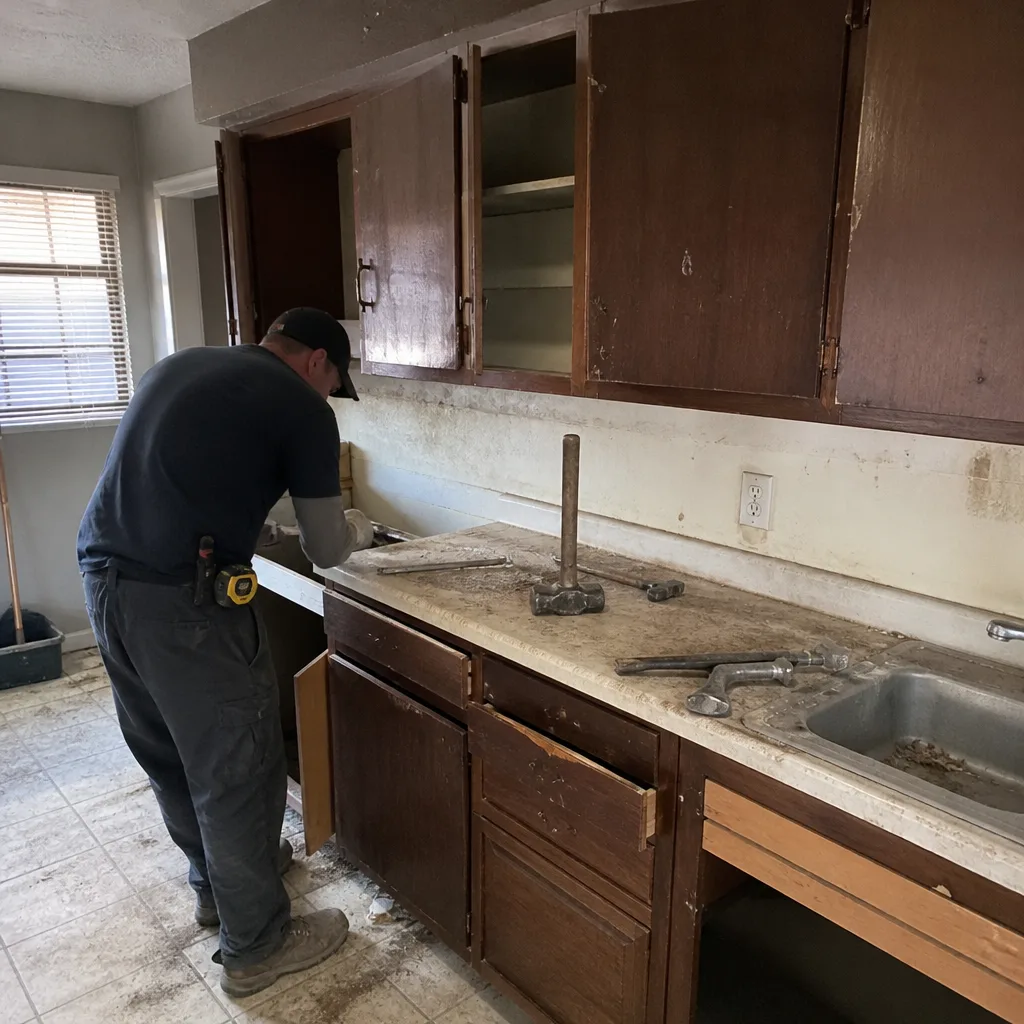
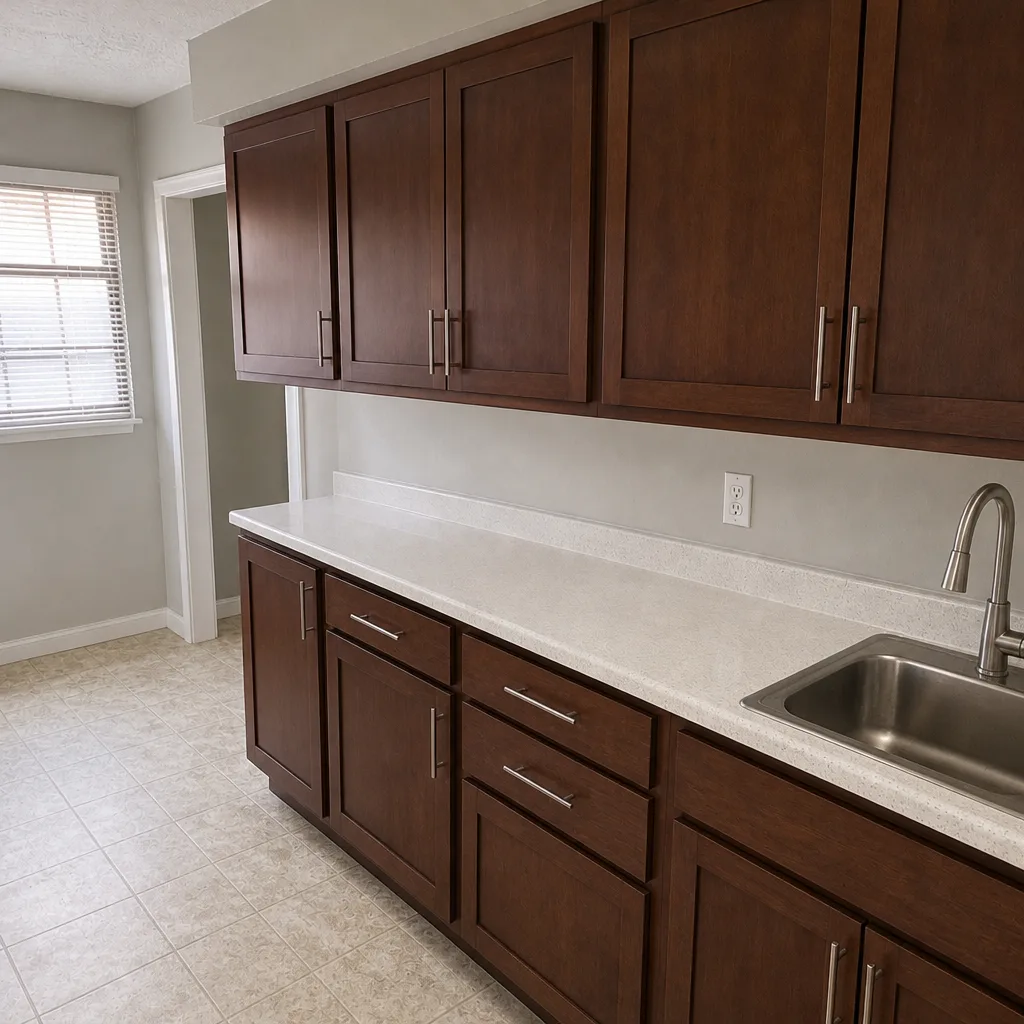
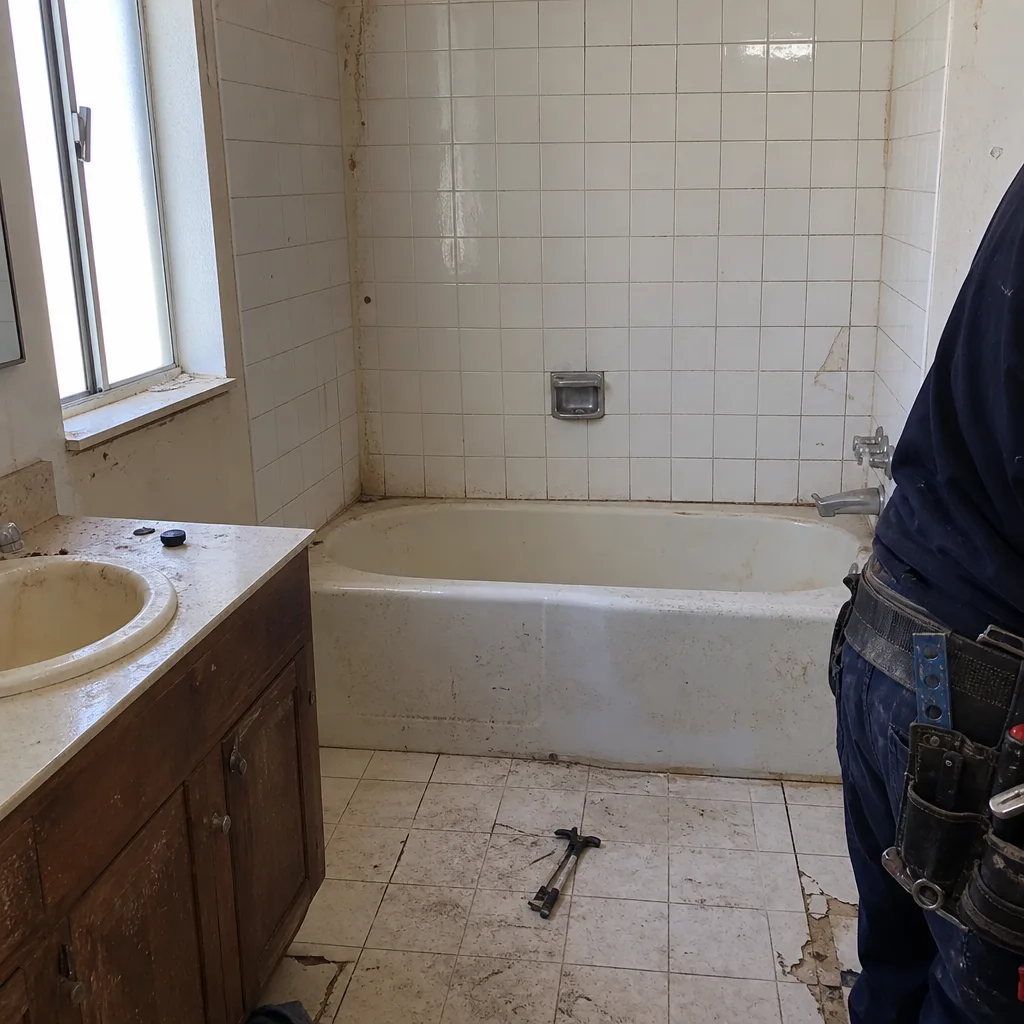
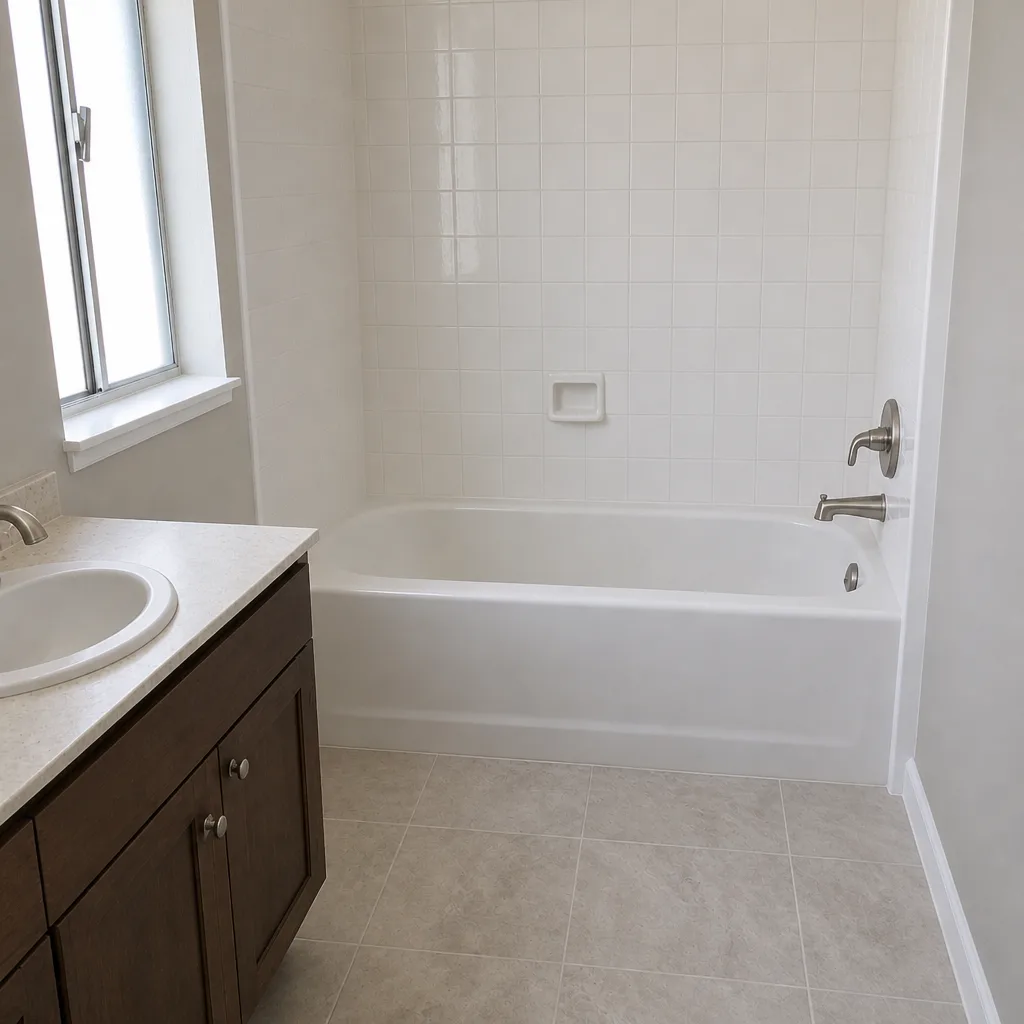
See the difference
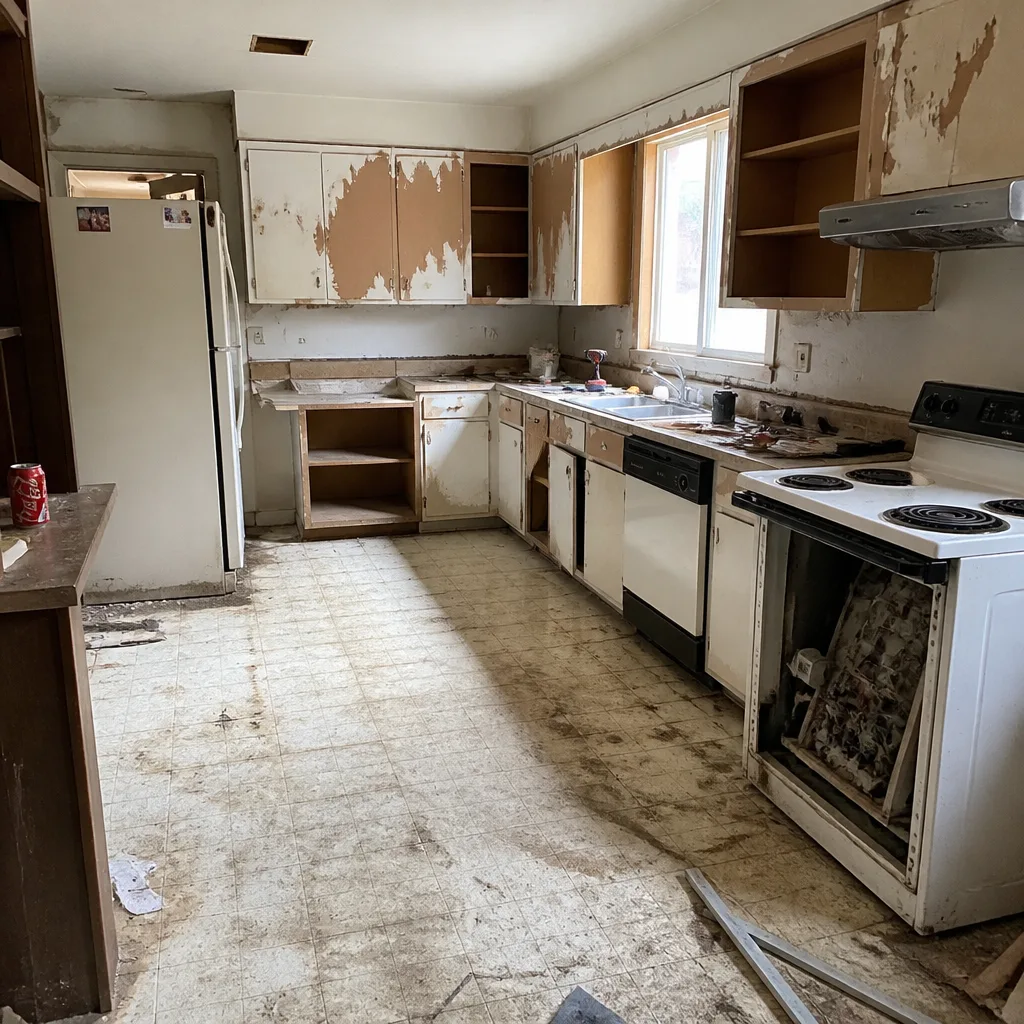 Before
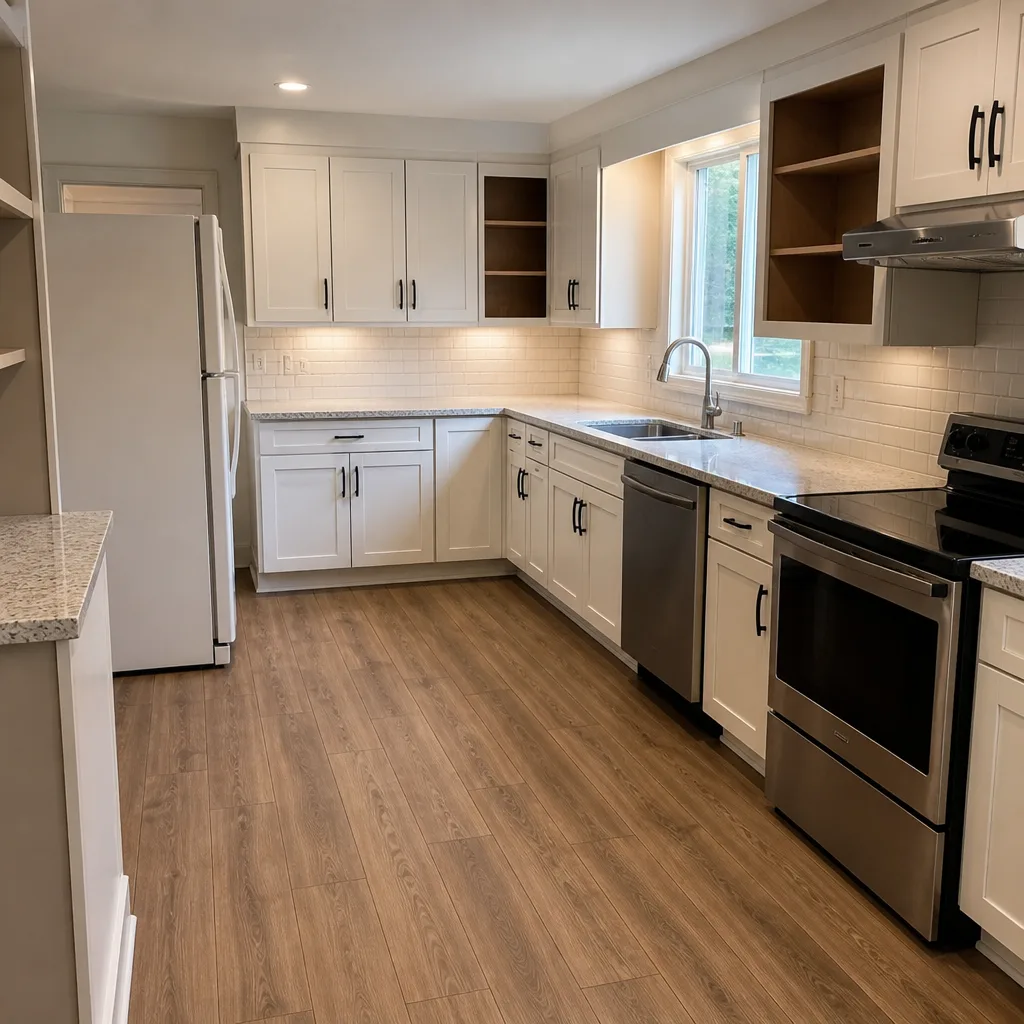 After
 Before
 After
 Before
 After
Common Mistakes to Avoid
- Calling a general contractor first for mitigation. In a water event, the mitigation company needs to be there within hours, and it isn’t always the same contractor who’ll do the permanent repair. Calling us at Bradford Remodeling Mesquite first is fine for the reconstruction estimate, but if water is still pooling, call a mitigation company now and call us after.
- Discarding damaged material before the adjuster sees it. A wet baseboard pulled and thrown away on day one is a claim amount you can’t recover. Bag it, label it, keep it in the garage.
- Signing a blank-price authorization. “We’ll figure it out at the end” is how Mesquite homeowners get surprise invoices. No work without a written price. That’s not a sales pitch; it’s the baseline.
- Turning off the drying equipment too early. Mold colonization begins in 48 to 72 hours. If the equipment runs for 3 days but the moisture readings aren’t dry, the job isn’t done. Insist on daily readings.
- Assuming your policy covers monsoon flooding. Standard homeowners policies usually cover water intrusion from a roof breach but exclude ground flooding. Read the flood section specifically.
- Hiring a storm-chasing crew that knocks on the door. After a big monsoon, out-of-town crews show up in unmarked trucks with cash demands and no written scope. Background-checked, uniformed technicians are the standard. If they can’t provide the paperwork, don’t let them on the roof.
- Skipping the annual shutoff test. A valve that hasn’t been turned in five years may not turn when you need it. Test each one in April.
When to Call a Professional
Some emergencies are clear: water is actively running, the roof is leaking, the wall is bulging, the electrical panel is hissing. Call somebody now. Some are less obvious. A musty smell in a closet after a monsoon usually means a hidden leak behind stucco. A hairline crack in a foundation stem wall after a wet spring often means undermined soil. An HVAC that trips the breaker twice in a week is usually a compressor on its way out. Those three don’t need 911, but they need a trained eye before they turn into a much larger project. If you’re unsure whether something is a same-week problem or a same-month problem, call and describe it. We’ll tell you straight.
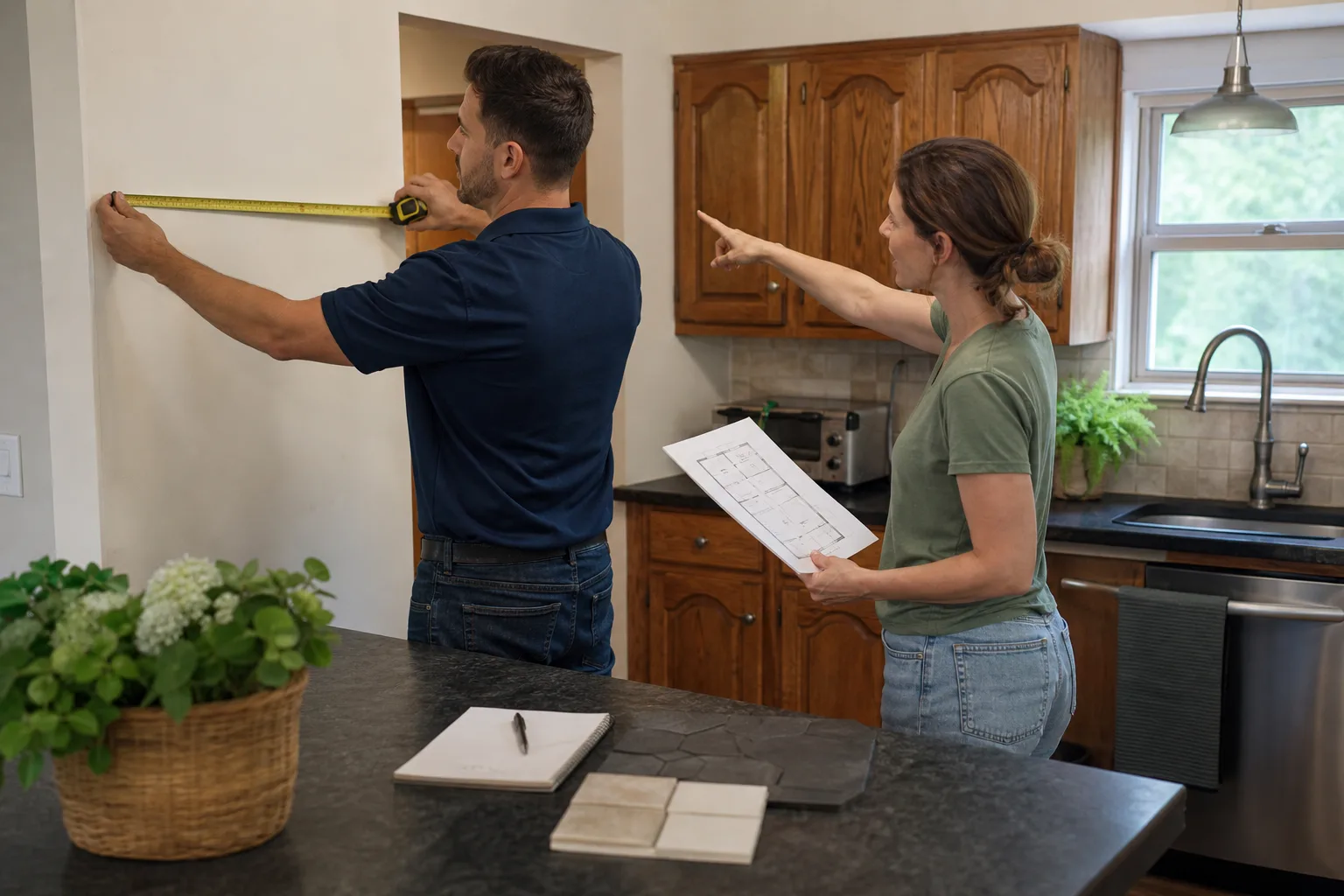
Bradford Remodeling Mesquite offers free estimates in Mesquite. We’ll walk the damage with you, put a written price in front of you before any work starts, and back the finished work with the 365-Day Done Right Promise. Call (844) 761-8665 to schedule your free estimate, and if you want to see how we approach reconstruction after a mitigation event, our kitchen remodeling service in Mesquite and bathroom remodeling service in Mesquite show the same written-price, no-surprise discipline at work.
Frequently Asked Questions
Mold colonization can begin in 48 to 72 hours after water intrusion, sometimes faster in the summer when interior temperatures stay above 80 degrees. That’s why the drying equipment needs to be running within the first day, not the third. Call a mitigation contractor within six hours of discovering the water. Call (844) 761-8665 for a free reconstruction estimate once mitigation is underway.
It depends on how the water got in. Water intrusion from a sudden roof breach, a burst pipe, or a failed appliance is typically covered as a sudden and accidental loss. Ground flooding, where water enters the home because the yard flooded, is usually excluded and requires a separate flood policy. Read the flood exclusion section of your policy specifically, and call your carrier to confirm before storm season.
Emergency mitigation stops the damage (water extraction, drying, tarping, boarding). Permanent repair rebuilds what the damage destroyed (drywall, flooring, framing, cabinetry). Mitigation is usually covered without pre-approval and is done by a mitigation company. Permanent repair requires an adjuster visit, a written estimate, and typically a general contractor. In a Mesquite water event, mitigation should start in hours; permanent repair starts once the structure is dry.
A full roof replacement on a typical Mesquite single-family home runs $11,000 to $28,000 depending on roof pitch, square footage, and product line. GAF architectural shingles sit at the lower end of that range; a standing-seam metal roof over an existing deck sits at the upper end. Insurance may cover part or all of it if the damage is from a covered event. Call (844) 761-8665 for a written line-item estimate. Estimates are free.
Not on a Bradford Remodeling Mesquite project. The price you sign is the price you pay. If damage hidden behind drywall requires a scope change, we stop, write a new line item, get your signature, and then proceed. That’s how The Garrison Standard works: written price before any work starts, every time, no change orders that surprise you at the end. Call (844) 761-8665 for a free estimate with the same terms.
A typical post-monsoon reconstruction on a Mesquite home runs three to six weeks for a single room, and six to twelve weeks for damage that reached multiple rooms or framing. The drying phase takes 3 to 5 days. The adjuster visit and permit pull take another week or two. The build itself is the rest. Nothing moves faster because someone promised it would. Call (844) 761-8665 to schedule a free estimate and a realistic timeline.
The Bottom Line

Construction emergencies in Mesquite follow a pattern: monsoon water that gets behind stucco, Virgin River flash floods that undermine foundations, summer HVAC failures that become structural humidity events, and high-wind events that peel the envelope. The difference between a claim that gets paid and one that gets denied is often the six hours of documentation the homeowner did or didn’t do before the cleanup started. Know your three shutoffs. Photograph everything before you touch it. Never sign a blank-price authorization. Call mitigation first, adjuster second, and the reconstruction contractor third. That sequence protects the claim, the wallet, and the house.
Bradford Remodeling Mesquite is a member of the Garrison Partners family, established in 2004, and operates as an independently owned and operated business held to The Garrison Standard. Our technicians have up to 22 years of experience, every job gets a written price before any work starts, and every completed project carries the 365-Day Done Right Promise. A live person answers the phone 24 hours a day, 7 days a week. Call (844) 761-8665 for a free estimate.
If you want to see how we handle planned work with the same discipline we bring to post-emergency reconstruction, start at the Bradford Remodeling Mesquite home page and see how we approach the whole house.
Written by the team at Bradford Remodeling Mesquite.