Last updated November 18, 2026








Free written scope consultation - allowances, timeline, and change-order rules on paper before a single trade is scheduled
Construction Permits, Codes & Inspections in NV: What You Need to Know
If a Mesquite contractor tells you a job “doesn’t need a permit,” they may be right – or they may be protecting their schedule at the cost of your resale value and your insurance coverage. The line between the two is narrower than most homeowners realize. Nevada runs on a statewide code framework, but the enforcement, the amendments, and the inspection queue are handled locally. And here’s the wrinkle that trips up out-of-town crews: Mesquite doesn’t have its own building department. Permits and inspections route through Clark County Development Services, which means a longer review line and a different set of amendments than a crew accustomed to working up from Las Vegas expects. This guide walks through what actually needs a permit here, how to pull one yourself, what the inspection sequence looks like, and what happens to your home’s title and your insurance if the paperwork gets skipped.
Quick Answer
In Nevada, construction work is governed by the state building code (the NRS and NAC framework), but permits and inspections for Mesquite are issued and enforced through Clark County Development Services, not a city-level department. Structural, electrical, plumbing, mechanical, and most additions and remodels require a permit; cosmetic work like paint, flooring, and cabinet swaps generally does not. Unpermitted work in Mesquite can stall a home sale under Nevada’s disclosure rules and can give your insurer grounds to deny a claim tied to that work.
Styles & brands we work with
- Kitchen remodeling
- Bathroom remodeling
- Home additions & ADU
- Roofing
- Windows & doors
- Driveway & pavers
- Fence
Table of Contents
- How Nevada’s Code Framework Actually Works
- What Needs a Permit in Mesquite – and What Doesn’t
- Pulling the Permit Yourself vs. Designating Your Contractor
- The Inspection Sequence for Common Remodels
- What a Failed Inspection Actually Requires
- Unpermitted Work: Insurance, Title, and Nevada Disclosure Law
- When a Permit Was Pulled but Never Finaled
- Common Mistakes to Avoid
- When to Call a Professional
How Nevada’s Code Framework Actually Works
Nevada doesn’t write its own building code from scratch. The state adopts model codes – the International Building Code (IBC) and International Residential Code (IRC), plus the National Electrical Code and the Uniform Plumbing Code – and then local jurisdictions adopt amendments on top. That layering is where homeowners get lost. The state sets the baseline; the county adds the local rules that actually get enforced on your job site.
For Mesquite, the enforcing jurisdiction is Clark County Development Services. There is no separate Mesquite building department issuing residential permits. That single fact changes a lot:
- Review timing. Plans submitted for Mesquite go into the Clark County review queue alongside a much larger volume of work. That queue moves on the county’s schedule, not a small-town counter’s.
- Amendment set. Clark County has adopted local amendments that can differ from what a contractor from a neighboring jurisdiction assumes. Climate and soil provisions, wind and seismic details, and energy code adoption all matter here.
- Inspector travel. County inspectors cover a wide territory. Getting an inspection scheduled means fitting your milestone into that routing, which rewards contractors who sequence work correctly instead of calling for inspection after the fact.
Mesquite’s desert climate adds a practical layer. Sustained heat and low humidity affect how masonry, stucco, and concrete cure, and the county’s energy provisions account for cooling loads that look nothing like northern Nevada. A contractor who treats Mesquite like a generic desert job misses those details. In our experience, the crews that plan inspections around cure time and sequencing get through review far more smoothly than those that treat the permit as paperwork.
If you’re planning a larger project, our overview of Bradford Remodeling Mesquite home services explains how we sequence permitted work from first inspection to final.
What Needs a Permit in Mesquite – and What Doesn’t
This is the question every homeowner asks first, and the answer is more specific than “big jobs yes, small jobs no.” Clark County’s adopted codes require permits for anything that touches structure, the building envelope, or the systems inside the walls. Cosmetic work generally doesn’t. Here’s the practical breakdown for a Mesquite home:
Requires a permit:
- Any wall removal, addition, or structural modification – including non-load-bearing walls where electrical or plumbing runs inside them
- New electrical circuits, panel changes, or any rewire
- Plumbing rough-in, relocation of fixtures, water heater replacement
- HVAC replacement or new ductwork, and any gas line work
- Room additions, garage conversions, and patio enclosures
- Kitchen and bathroom remodels that move plumbing, gas, or circuits
- Roof replacement, and window or door changes that alter the structural opening
- Pools, spas, and any detached structure over the exempt size threshold
Generally exempt:
- Interior and exterior paint
- Flooring replacement over existing subfloor
- Cabinet and countertop replacement in the same footprint with no plumbing or electrical changes
- Fixture swaps that don’t relocate supply or drain lines (a Kohler faucet for a Kohler faucet, for instance)
- Landscaping and fencing under the height limit
The gray zone is a “cosmetic” kitchen remodel that quietly moves a sink or adds a circuit. In Mesquite, that counts as permitted work, and skipping it is the single most common source of trouble we see when a home goes on the market. Our Kitchen Remodeling in Mesquite page explains which of those changes require a plan review and which don’t.
Pulling the Permit Yourself vs. Designating Your Contractor
Nevada lets a homeowner pull a permit on their own home as an owner-builder. You can also designate your contractor as the permit holder. Both are legal. They protect you differently, and the difference matters.
Pulling it yourself:
- You are the responsible party on the permit record. Inspections are your responsibility to schedule.
- If a subcontractor’s work fails inspection, the correction runs through you, not a licensed general contractor.
- Some insurers and lenders view owner-builder permits less favorably on a resale, because there’s no licensed contractor of record for that scope.
- You own the liability if the work is defective or the permit is never finaled.
Designating your contractor as permit holder:
- The licensed contractor of record is accountable to the county for the entire scope, including their subs.
- Inspection scheduling, correction of failed items, and the final sign-off are their job – and that accountability is documented.
- The permit history shows a licensed professional on the record, which reads cleanly at title transfer.
For anything beyond a straightforward single-trade job, designating the contractor is the stronger position. It puts a licensed party on the record and gives you a name to hold accountable if the final inspection never happens. Bradford Remodeling Mesquite pulls and holds permits as contractor of record on every permitted project we run, and we schedule each inspection at the point the scope is written – not after the fact. Our General Contractor in Mesquite page covers how that works on a full-scope job.
The Inspection Sequence for Common Remodels
Inspections happen in a fixed order, and skipping a stage means it gets caught later – usually after drywall is up. Here’s the sequence for two of the most common Mesquite remodel types.
Kitchen remodel:
- Rough-in inspection: electrical, plumbing, and gas lines inspected before insulation or drywall closes the walls. This is the one that matters most.
- Frame and structural inspection: any wall changes or opening reinforcements checked after framing, before cover.
- Insulation inspection: wall and ceiling insulation checked against the energy code.
- Final inspection: all systems, finishes, and safety items checked once the job is complete.
Bathroom remodel:
- Rough-in inspection: drain lines, supply lines, vent, and electrical checked after rough-in.
- Waterproofing inspection: shower pan and wet-area membrane checked before tile goes down. Failing to schedule this is the most common bathroom mistake we see.
- Insulation inspection.
- Final inspection: fixtures, ventilation, GFCI protection, and finishes verified.
The Mesquite heat matters here. Concrete and masonry curing in summer runs faster than crews expect, and stucco applied in low humidity can set before it’s worked. That compresses the window between phases, which is another reason scheduling inspections against real cure time beats calling for them after the fact. Our Bathroom Remodeling in Mesquite page details the waterproofing inspection step in particular.
What a Failed Inspection Actually Requires
A failed inspection isn’t a fine, and it isn’t a stain on your record. It’s a correction list. The inspector writes up what doesn’t meet code, and the work has to be brought into compliance and re-inspected before the project can proceed or final. Here’s what that actually means in practice:
- The correction is written. The inspector documents the specific deficiency – missing GFCI protection, a shower pan that doesn’t hold water, a framing detail that doesn’t meet the amendment. You can read exactly what failed.
- It’s the permit holder’s responsibility. If your contractor is the permit holder, correcting and re-inspecting is their obligation. If you pulled the permit yourself, it’s yours.
- Re-inspection is scheduled. The work gets corrected, then re-inspected before the next phase can proceed. On a serious fail, that can add time.
- Repeated failures escalate. A pattern of failed inspections draws county attention and can slow every subsequent inspection on the job.
What a failed inspection should never require is a surprise charge. If a contractor corrects a code deficiency on work they performed, that correction is on them – it was their error. Our written price before any work starts, and the 365-Day Done Right Promise that covers every completed project for a full year, are how we handle that. If work fails within the guarantee window due to a defect in our workmanship, we come back and correct it at no charge.
Unpermitted Work: Insurance, Title, and Nevada Disclosure Law
This is where the stakes get real. Unpermitted work doesn’t just sit quietly in your house until you sell. It creates two distinct problems that can cost real money.
Insurance exposure. A homeowners policy is priced on a home built to code and inspected along the way. If a claim arises from work that was never permitted or inspected, an insurer can point to that as grounds to reduce or deny the claim. A fire traced to unpermitted wiring, a water loss from a shower pan that failed because nobody inspected the waterproofing – those are exactly the scenarios where the adjuster asks for the permit record. If there isn’t one, you’re exposed.
Title transfer under Nevada disclosure law. Nevada requires a seller to disclose known material defects and conditions affecting the property. Unpermitted work that a seller knows about falls into that territory. In practice, unpermitted work turns up at the title and inspection stage of a sale, and it can stall a closing until it’s permitted retroactively, torn out, or priced into the deal. What looked like a shortcut when the work was done becomes a negotiation point years later.
Mesquite has a lot of homes where a previous owner added a patio enclosure, converted a garage, or finished a room without filing. In our experience, the retroactive permit route is almost always cheaper than removing work, and far less painful than losing a sale over it. Our general contractor team in Mesquite walks homeowners through retroactive permitting regularly.
When a Permit Was Pulled but Never Finaled
An orphaned permit is one that was issued, some inspections may have happened, but the final inspection was never scheduled or never passed. The permit sits open on the county record. That’s a real problem because an open permit stays attached to the property address, and it turns up during a title search or a resale inspection.
How to resolve it:
- Look up the permit status. Start with Clark County Development Services using the property address. Know what was pulled, when, and which inspections were recorded.
- Confirm what was actually built. Compare the permit record to what’s in the house now. Sometimes the scope changed mid-job and the permit record never caught up.
- Figure out which inspections are missing. Rough-in and insulation are often recorded; final is often not.
- Correct any code deficiencies first. A final inspection won’t pass on work that doesn’t meet current code. Plan for the correction before you call for inspection.
- Schedule the outstanding inspections, or apply for a retroactive permit if the original lapsed or the scope doesn’t match.
The Mesquite-specific wrinkle is the county queue. A final inspection filed through Clark County doesn’t happen on the city’s timeline. Schedule it early and don’t wait until a home is under contract to close out an open permit. Bradford Remodeling Mesquite regularly closes out orphaned permits as part of a broader scope, and we schedule the outstanding inspections as part of the written project plan.
Common Mistakes to Avoid
- Taking “it doesn’t need a permit” at face value. Sometimes it doesn’t. But the exemption usually applies to a narrow scope, and if the job quietly moves a sink or adds a circuit, the exemption no longer holds. Ask which specific code provision covers the exemption and get it in writing.
- Pulling the permit yourself on a project involving subcontractors. As owner-builder, you’re accountable for work you didn’t personally do. If a sub’s rough-in fails, the correction and re-inspection run through you.
- Skipping the waterproofing inspection on a shower. In a Mesquite bathroom remodel, the shower pan and wet-area membrane must be inspected before tile. If your contractor sets tile before the inspection is recorded, that’s a problem to stop immediately.
- Assuming a Las Vegas contractor knows the Mesquite amendment set. Clark County’s adopted amendments apply to Mesquite, but a crew that works exclusively in a neighboring jurisdiction may not have planned for the local energy and structural provisions. Ask how they handle Mesquite plan review.
- Closing out a remodel without the final inspection. The job isn’t done when the last tile is set. It’s done when the final inspection is recorded and the permit is closed. Get the sign-off in hand before final payment.
- Ignoring an open permit before listing the home. An open permit turns up at title and stops a sale. Resolve it before the home goes on the market, not after a buyer’s inspector finds it.
- Accepting a verbal price on permitted work. Permit costs, plan review fees, and re-inspection costs should be in the written price before work starts – not added after the fact.
When to Call a Professional
Some permit work is straightforward, and a homeowner who knows the process can manage it. But some jobs need a licensed contractor of record, and the honest answer is that the structure-related ones always do. Call a professional if your project involves any wall removal or structural modification, any electrical or plumbing rough-in, a room addition, a garage conversion, or a full kitchen or bathroom remodel that moves systems. Call a professional if you’re buying a home with an open permit or unpermitted work and need it resolved before closing – that’s a title and insurance problem, not a DIY one. And call one if the inspection sequence on your current job has stalled; a contractor with county experience can close out outstanding inspections and get the permit finaled.
Bradford Remodeling Mesquite offers free estimates in Mesquite – call (844) 761-8665. We answer with a live person, 24 hours a day, seven days a week. Every price is in writing before any work starts, and every completed project is covered by the 365-Day Done Right Promise.
See the difference
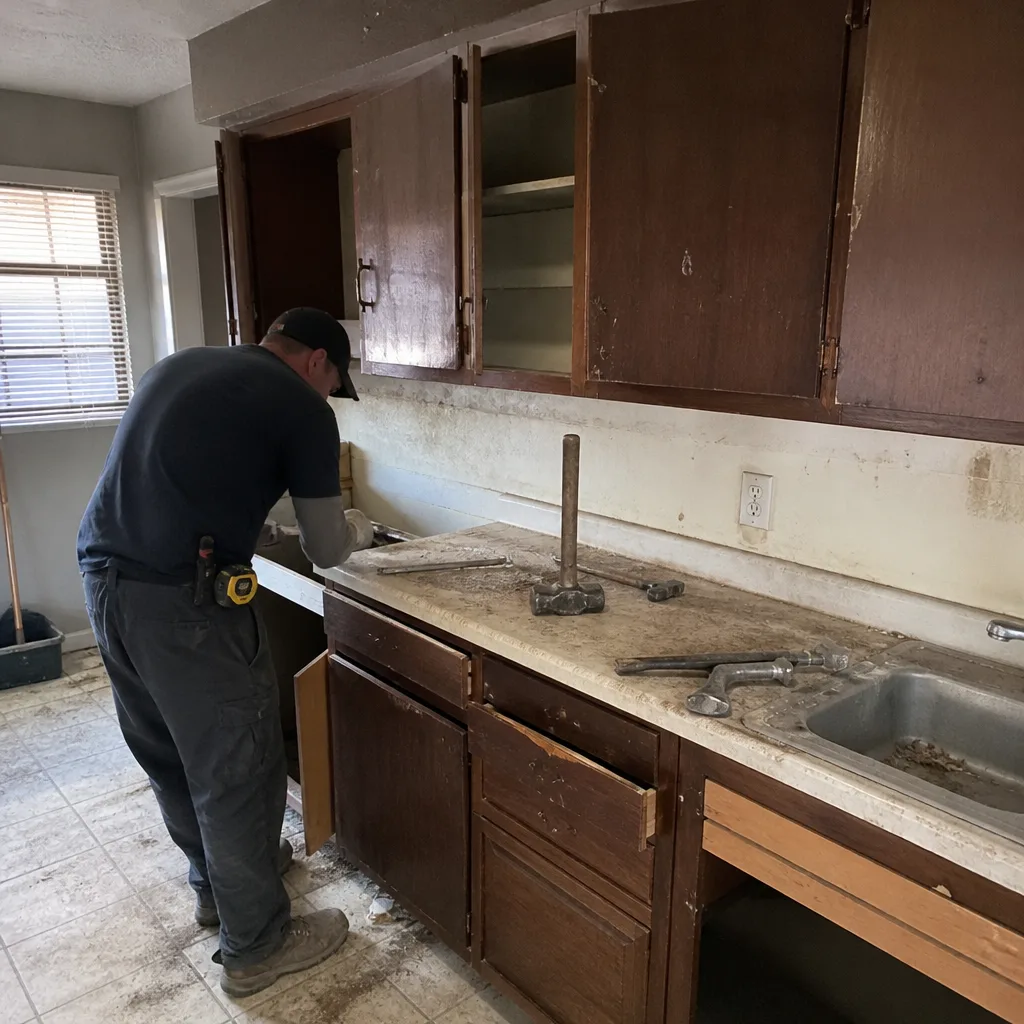
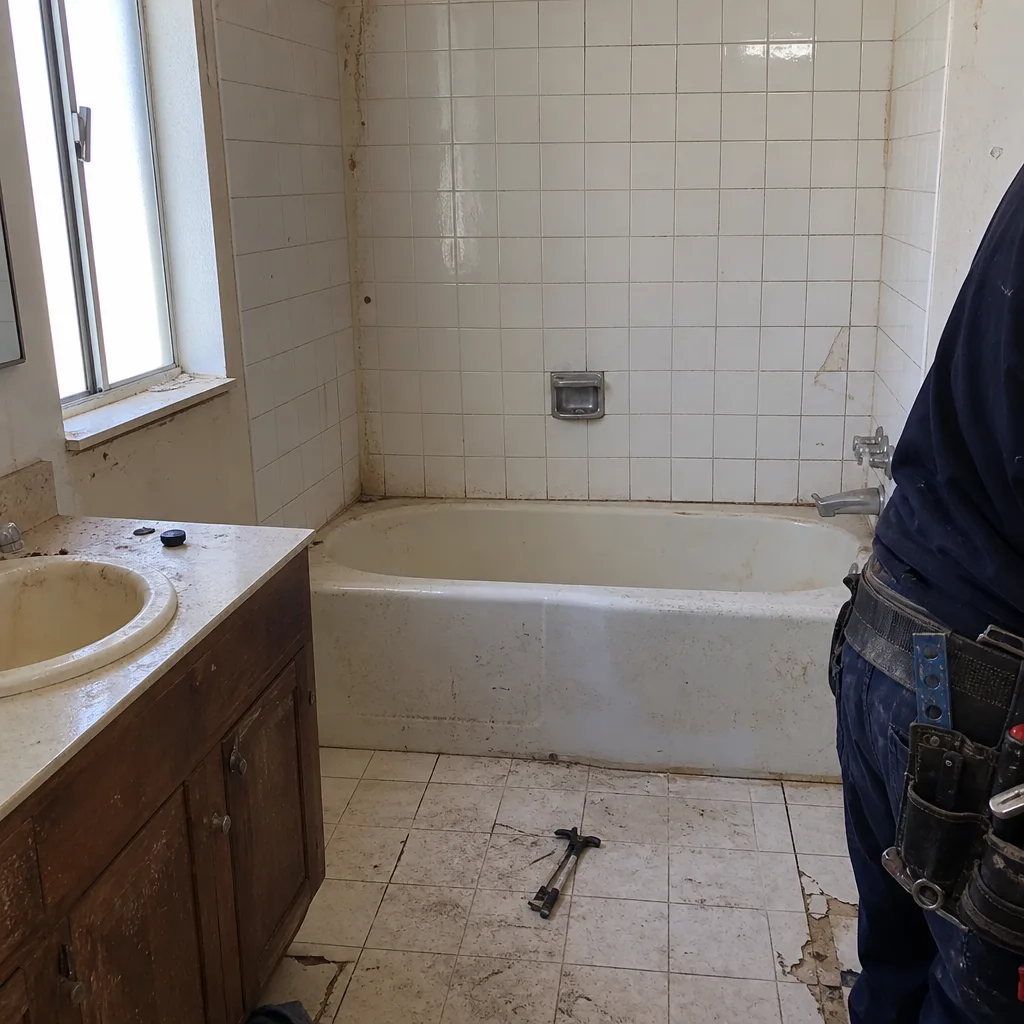
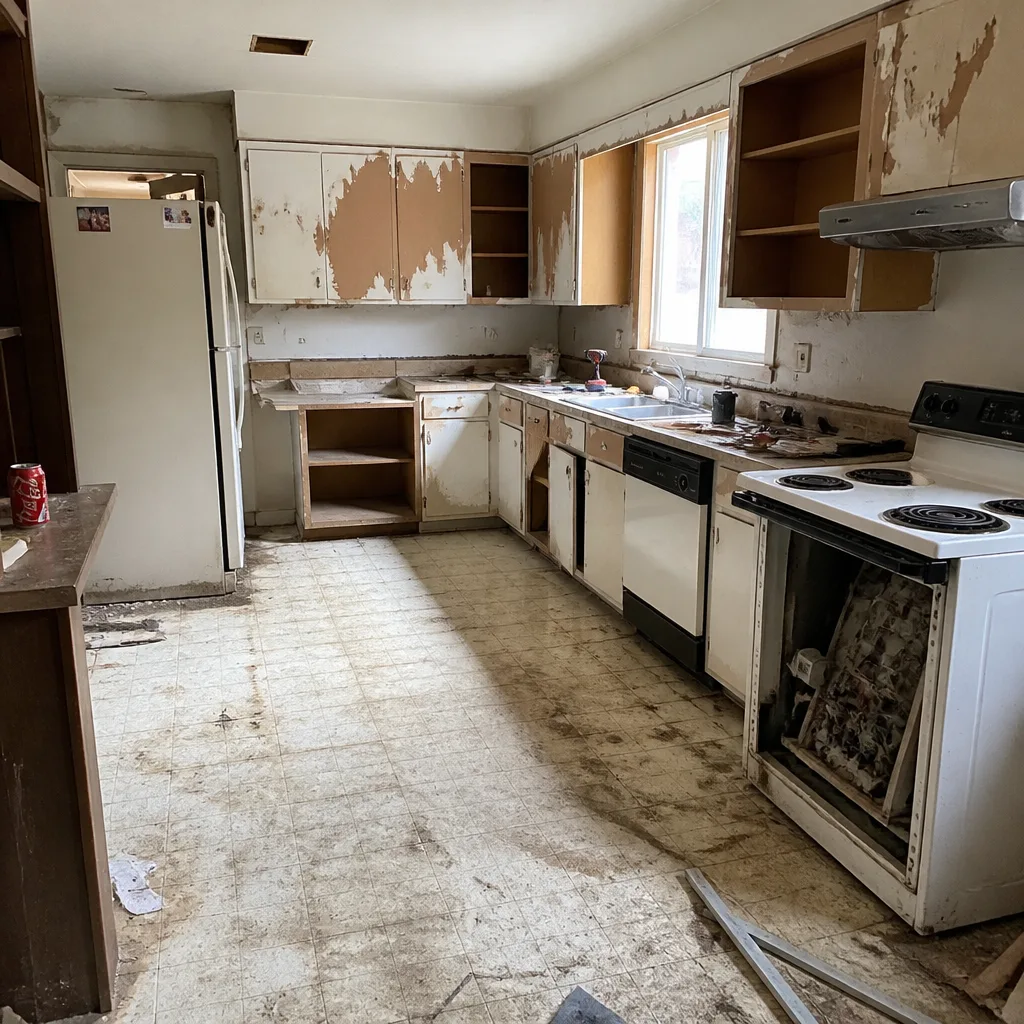 Before
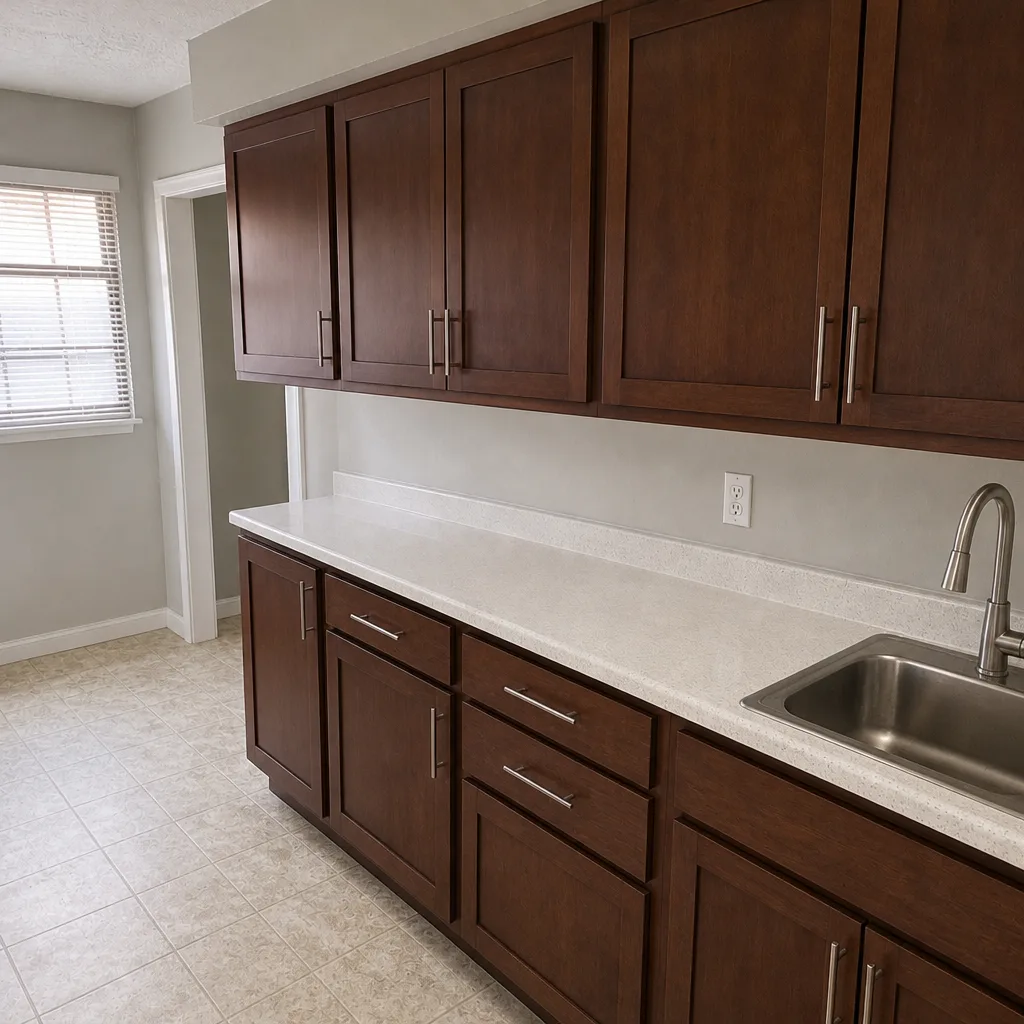
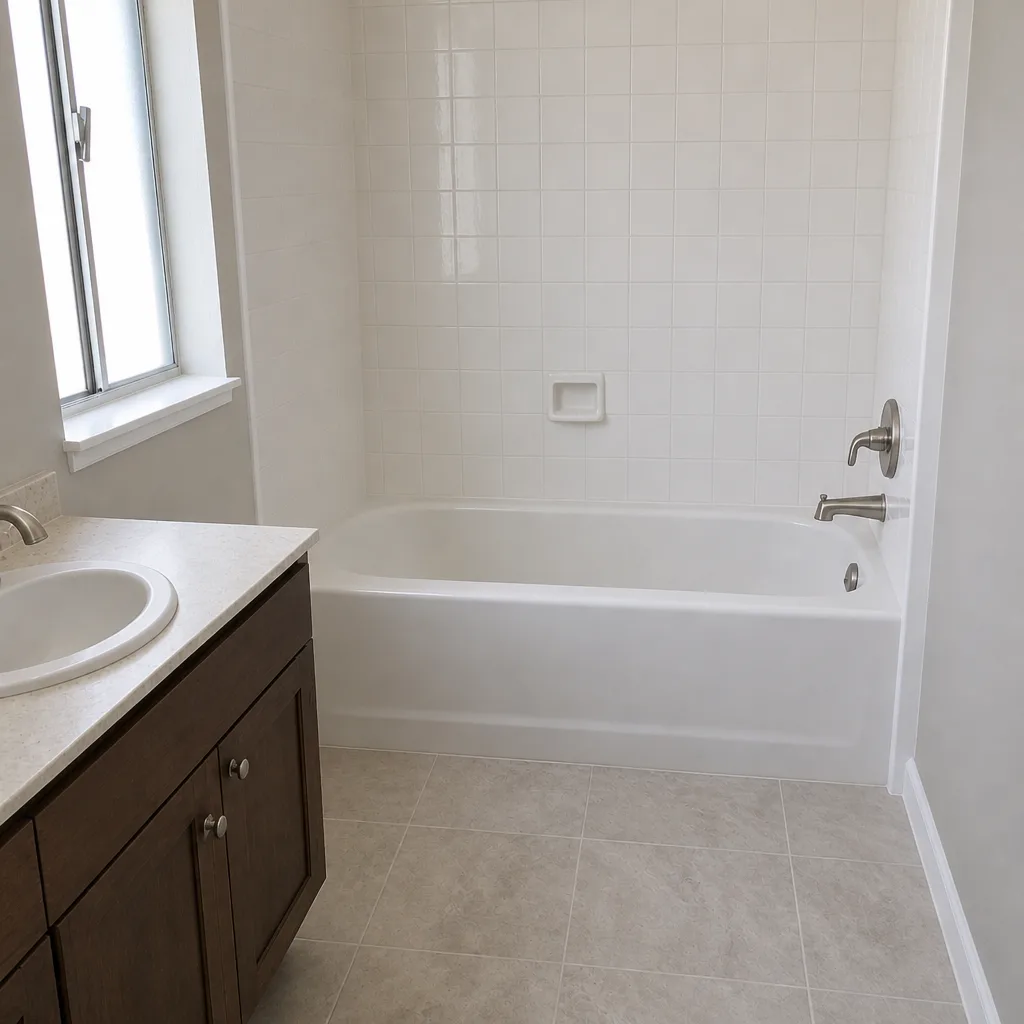
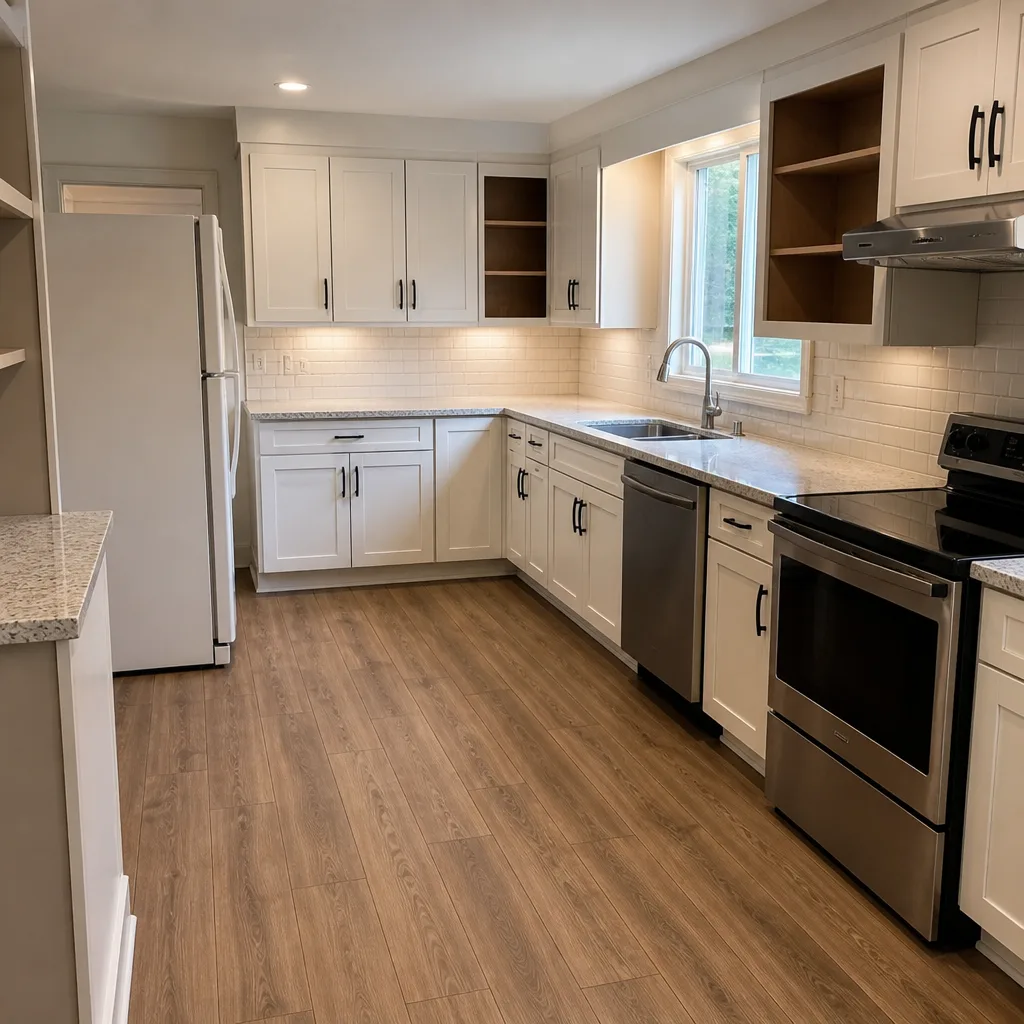 After
 Before
 After
 Before
 After
Frequently Asked Questions

It depends on what the remodel touches. Painting, refacing cabinets, and swapping countertops in the same footprint generally don’t require a permit. Moving a sink, adding an electrical circuit, relocating a gas line, or removing a wall does. Because Mesquite permits run through Clark County Development Services, plan review takes longer than homeowners expect – call (844) 761-8665 for a free estimate and we’ll tell you exactly what your scope requires.
The state code is the baseline: Nevada adopts the IBC and IRC as the foundation. Local jurisdictions then add amendments on top. Clark County’s adopted amendments apply to Mesquite work, and they can differ from what a contractor from another jurisdiction assumes – especially on energy provisions for the desert climate. If your contractor can’t tell you which amendment set governs your job, ask before signing.
It can. Insurance is priced on a home built and inspected to code, and an insurer can point to unpermitted work as grounds to reduce or deny a claim arising from it. A fire from unpermitted wiring or a water loss from an uninspected shower pan are the classic scenarios. If you’re buying a home with unpermitted work, resolve the permit before closing – call (844) 761-8665 for a free estimate on retroactive permitting.
Plan review timing varies with the scope and the county’s current queue, and because Mesquite routes through Clark County Development Services rather than a local counter, the queue is shared with a much larger volume of work. That’s why we schedule each inspection against the written scope from day one rather than calling for it after the fact. For a scope-specific timeline, call (844) 761-8665 – estimates are free.
Yes, and for anything beyond a single-trade job we recommend it. When a licensed contractor is the permit holder, they’re accountable to the county for the full scope, including their subcontractors, and they handle inspection scheduling and corrections. That leaves a licensed professional on the record at resale. Bradford Remodeling Mesquite pulls and holds permits as contractor of record on every permitted project. Call (844) 761-8665 for a free estimate.
The inspector writes a correction list, the work is brought into code, and the affected phase is re-inspected before proceeding. If your contractor holds the permit, correcting their own code deficiency is their responsibility, not a charge to you. Repeated failures can slow the whole job. Our 365-Day Done Right Promise backs every completed project for a full year – if work fails within that window, we return and correct it at no charge. Call (844) 761-8665 for a free estimate.
The Bottom Line
The core of it: Nevada’s statewide code is only half the picture. In Mesquite, the rules that actually get enforced are Clark County’s adopted amendments, reviewed and inspected through Clark County Development Services – which means a different queue and a different amendment set than a crew working up from Las Vegas expects. Know which side of the permit line your project sits on. Designate a licensed contractor as permit holder on anything structural or system-related, so a licensed party is accountable for the inspections and the final sign-off. Close out every permit before a sale, and never let an open permit or unpermitted work ride on your insurance. Getting the paperwork right isn’t the boring part of a remodel. It’s the part that protects your resale value and your coverage.
Call Bradford Remodeling Mesquite at (844) 761-8665 for a free estimate. Every price is written before any work starts, a live person answers any time of day, and every completed project is covered by the 365-Day Done Right Promise.
Written by the team at Bradford Remodeling Mesquite.